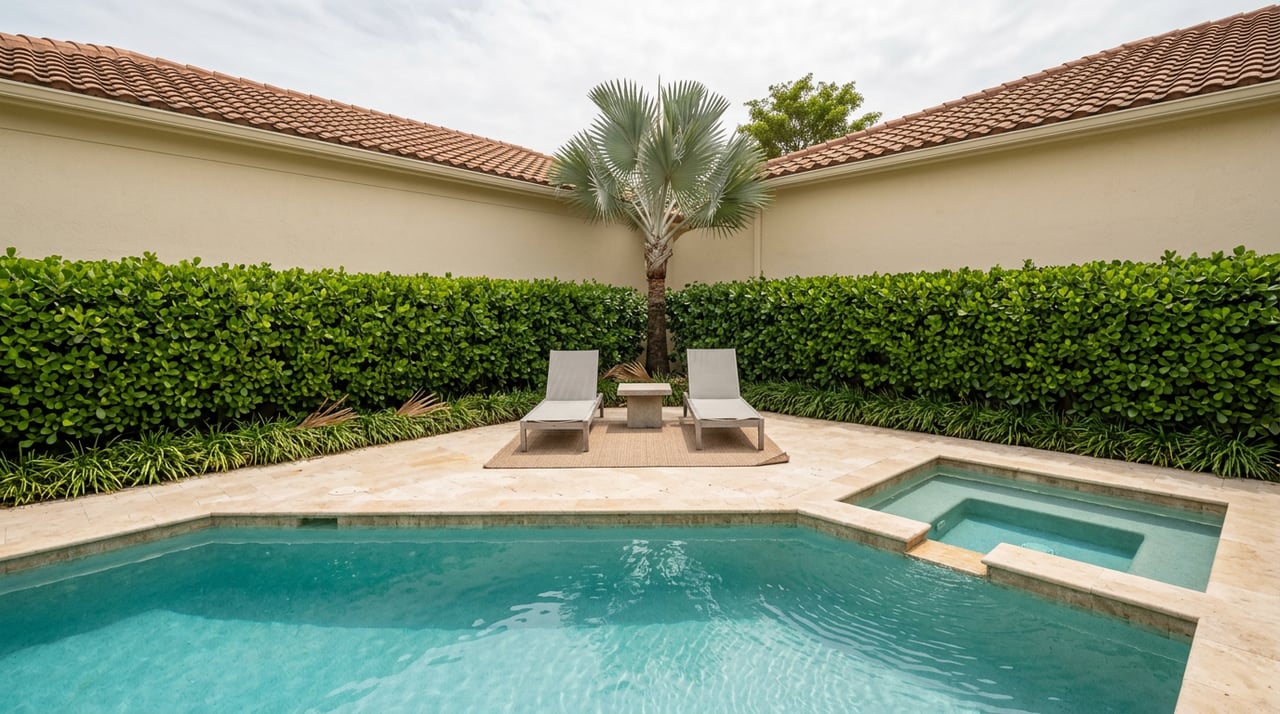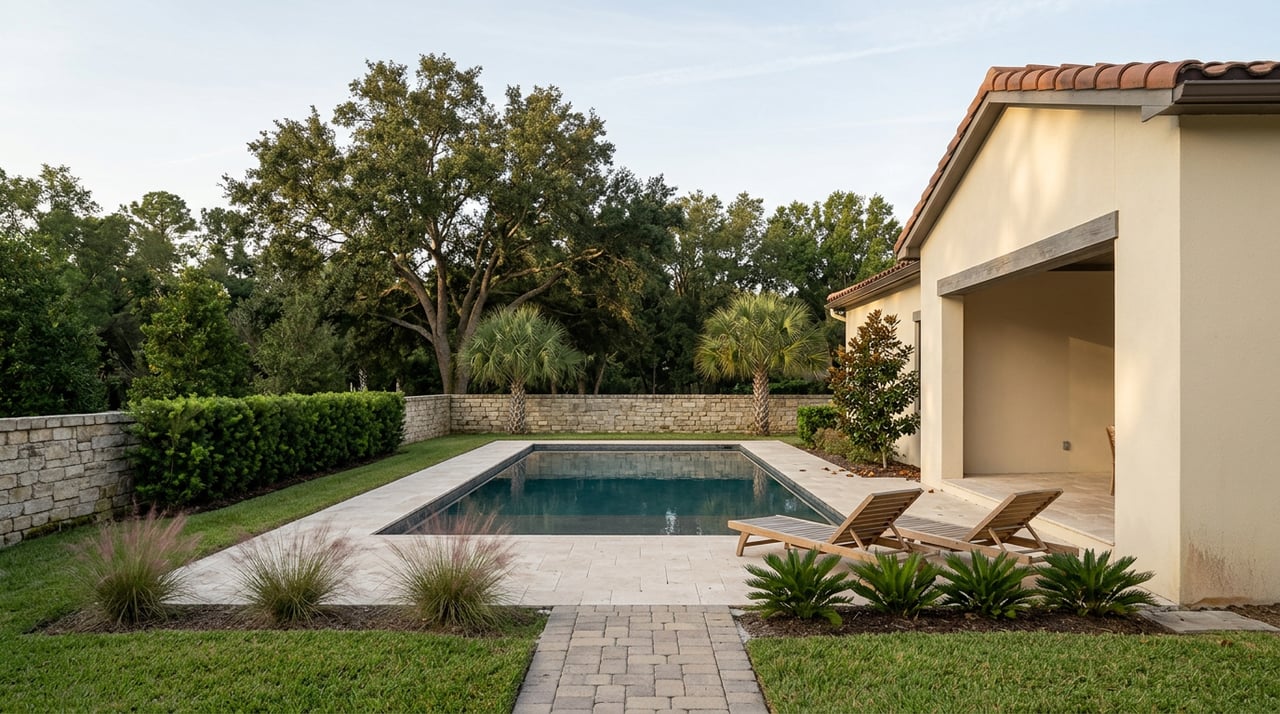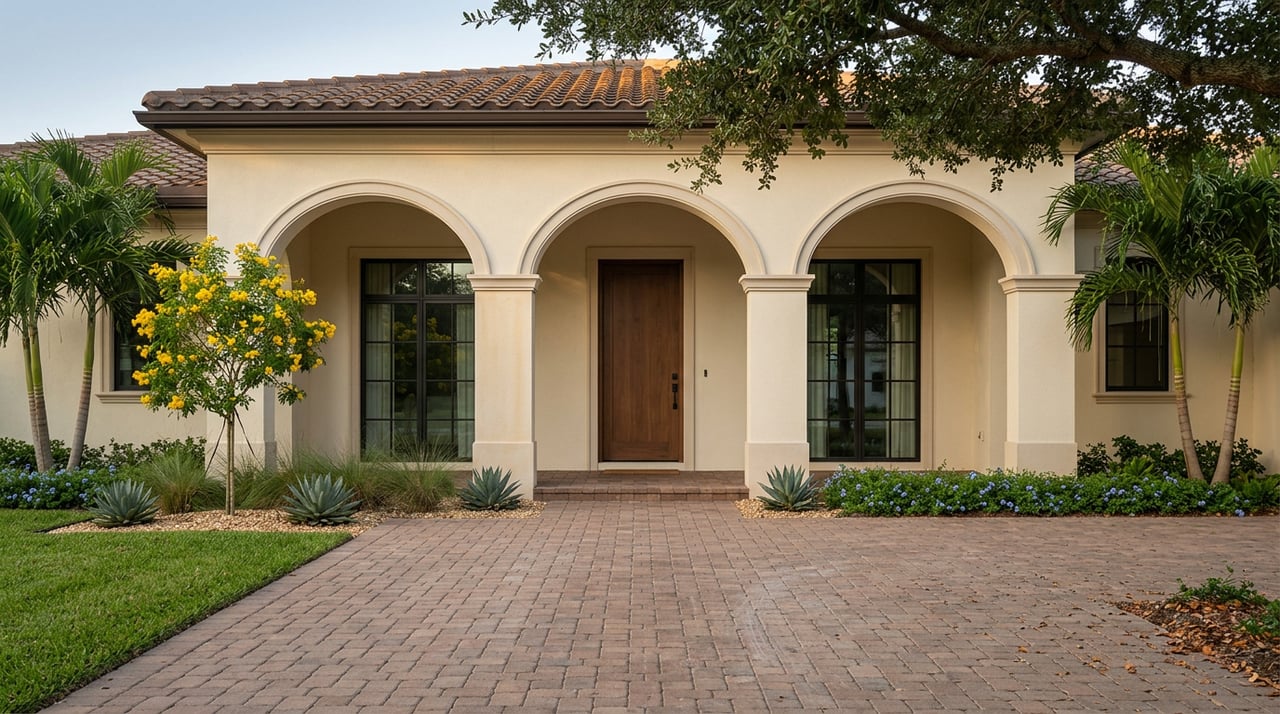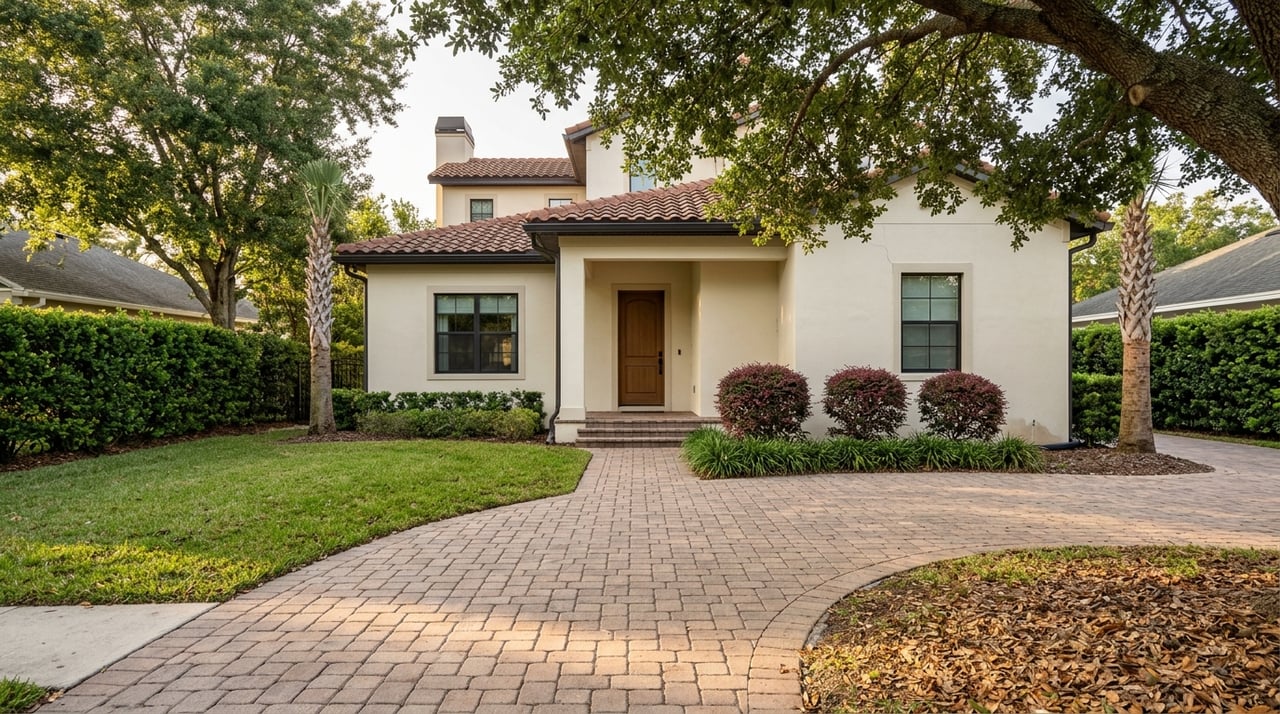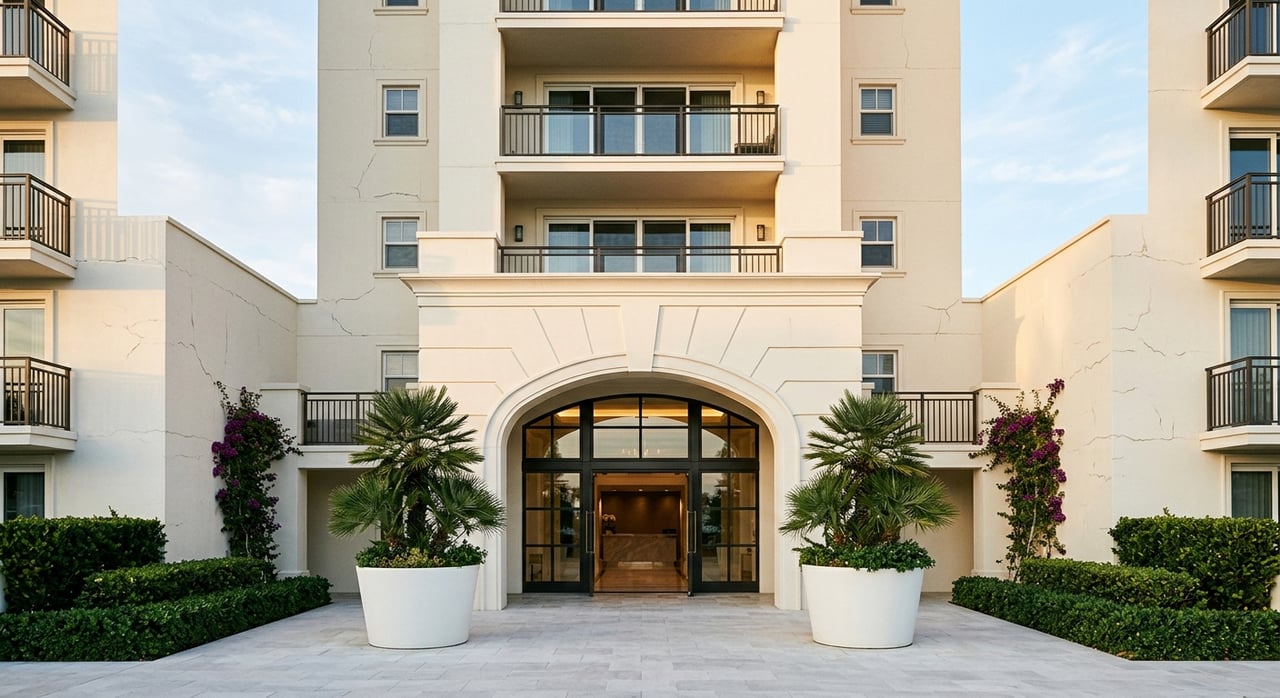
Wondering whether a condo or a house makes more sense in St. Pete Beach? You are not alone. In a barrier-island market shaped by seasonal ownership, flood considerations, and rental rules that can change what is practical, the right choice often comes down to how you want to live and what you want to carry each month. This guide will help you compare the real tradeoffs so you can move forward with more clarity and confidence. Let’s dive in.
St. Pete Beach market basics
St. Pete Beach has about 10,000 permanent residents, plus a large seasonal population. The city also reports that nearly 28% of residential homes and condos are owned by people who claim a primary residence elsewhere. That makes second-home ownership and resale to seasonal buyers a normal part of this local market.
Pricing also helps frame the condo-versus-house decision. Recent market snapshots show a median sale price around $670,000 for all home types, while condo listing prices are directionally lower at about $400,000. These figures come from different sources and time periods, so they are best used as a general guide, but they still suggest condos often offer a lower entry point than single-family homes in St. Pete Beach.
The pace of the market matters too. Homes have recently taken roughly 82 to 83 days to sell, with a sales-to-list ratio around 97%. In plain terms, this looks like a market where buyers can be thoughtful, compare options, and pay close attention to value.
Condo vs house: the core difference
At a high level, a condo is a shared-structure ownership model, while a house puts more direct responsibility in your hands. That one distinction shapes almost everything else, including maintenance, insurance, monthly costs, rental flexibility, and resale due diligence.
A condo often appeals to buyers who want a more turnkey setup. The association typically maintains the building’s common elements and carries the master insurance policy for the shared structure, while you usually insure the interior items and personal property with an HO-6 policy.
A house usually appeals to buyers who want more privacy, more control over the exterior, and more freedom to manage the property themselves. That can be a strong fit if outdoor space, exterior changes, or greater independence are high on your list.
Why a condo may fit better
If your goal is simpler ownership, a condo may check more boxes. In a beach market like St. Pete Beach, many buyers like the idea of sharing exterior responsibilities instead of handling every repair and upkeep item on their own.
Another reason buyers consider condos is price. With condo listing prices sitting well below the broader citywide median for all home types, a condo may give you access to the St. Pete Beach market at a lower purchase price. That can be especially appealing if you are buying a second home or want to keep your initial investment lower.
Condos can also be appealing for seasonal use. Because exterior and common-area maintenance is shared, the ownership experience may feel more manageable if you are not living in the property full time. In a city with a meaningful seasonal-owner presence, that can be a practical advantage.
Condo tradeoffs to expect
The convenience of condo living comes with structure and oversight. You will need to live with association rules, budget for dues, and accept that some building-wide decisions are made collectively rather than individually.
Insurance works differently too. Florida guidance notes that HO-6 policies can include personal liability and loss-assessment coverage, and owners may face assessments for common-area damage if association reserves are not enough. That means a lower purchase price does not always equal lower risk or lower monthly cost.
For older condo buildings, diligence is especially important. Florida requires milestone inspections for certain residential condo and co-op buildings that are three or more habitable stories, and it also requires structural integrity reserve studies for 3-plus-story condo buildings at least every 10 years. If those reports show a funding gap, the association may need a special assessment, a loan, or a line of credit.
Why a house may fit better
If you value privacy and control, a house may be the better match. You generally have more say over the exterior, outdoor living, and the day-to-day decisions that shape how the property is used and maintained.
A house can also make more sense if you want fewer condo-specific layers of review. You still need to evaluate insurance, taxes, flood exposure, and any HOA rules that may apply, but you are not also stepping into a condominium association’s building-level inspection and reserve obligations.
For some buyers, the lifestyle difference is the deciding factor. If you picture yourself enjoying a yard, more separation from neighbors, or more flexibility in how the property feels and functions, a house may better support that vision.
House tradeoffs to expect
More control usually means more responsibility. With a single-family house, more of the maintenance burden falls on you, from exterior upkeep to repairs and long-term planning.
It is also important not to assume that a house means no rules. Some neighborhoods still have HOA dues and community regulations, so you should review those before making a decision.
In St. Pete Beach, houses may also come with a higher entry price than condos. If your budget is tight, that higher purchase price may outweigh the lifestyle benefits.
Compare monthly cost, not just price
One of the biggest mistakes buyers make is comparing only list price. A condo may cost less to buy upfront, but your monthly carrying cost can still be higher once you add condo dues, insurance, taxes, utilities, and possible assessments.
Consumer guidance notes that condo and HOA fees are usually paid separately from the mortgage and can range from a few hundred dollars a month to more than $1,000 a month. In St. Pete Beach, that means the lower-priced option is not always the lower-cost option.
Here is a simple way to compare properties more accurately:
- Mortgage payment
- Property taxes
- Homeowners or HO-6 insurance
- Flood insurance, if required
- HOA or condo dues
- Utilities
- Expected maintenance
- Possible reserve shortfalls or assessments
When you compare a condo and a house side by side, this full monthly picture is often what makes the answer clear.
Flood and insurance matter on the beach
In St. Pete Beach, flood risk should be part of your decision from day one. This is a barrier-island community, so location, elevation, and flood zone matter just as much as property type.
Standard homeowners insurance generally does not cover floods. Buyers in a FEMA Special Flood Hazard Area are likely required to carry flood insurance, and Pinellas County directs buyers to local tools for FEMA flood zones, evacuation zones, storm surge, sea-level rise, and coastal barrier resources.
That is why the smartest insurance conversation starts with the property itself, not a blanket assumption about condos or houses. A condo in one location and a house in another can have very different insurance and risk profiles depending on elevation and flood-zone details.
Rental flexibility can change the answer
If rental potential matters to you, do not treat condos and houses the same. In St. Pete Beach, zoning rules and condo documents can both affect what is allowed.
The city states that short-term rentals of less than one month are not permitted in many districts. It does allow under-30-day occupancy up to three times per 12-month period in the RM zoning district and the Pass-A-Grille Overlay District, and rentals of one month or more are allowed in residences throughout the city.
That means a house is not automatically flexible, and a condo is not automatically restrictive. You need to verify the zoning for the specific property and then, for condos, review the association documents as well.
Condo rental rules need extra review
Florida law allows condo associations to amend their declarations to prohibit or limit rentals in ways that can affect later buyers. So even if a condo seems attractive for seasonal use today, its governing documents may limit how you can use it in the future.
This is one of the most important differences between buying a condo and buying a house in St. Pete Beach. If rental flexibility is a top priority, document review should be a major part of your decision.
Primary home or second home matters
Your intended use also affects the financial side of ownership. If you plan to make the property your permanent residence, Florida’s homestead exemption may reduce taxable value by as much as $50,000.
If the property will be a vacation home or second home, that homestead benefit generally does not apply in the same way. In a market like St. Pete Beach, where seasonal ownership is common, this can make a noticeable difference in your long-term cost picture.
Four questions to help you decide
If you are torn between a condo and a house, focus on these four questions:
- How much maintenance do you want to handle yourself?
- How important is rental flexibility?
- How comfortable are you with HOA or condo association governance?
- How much flood and insurance cost are you prepared to carry each month?
If you want lower entry pricing, fewer exterior chores, and a more turnkey setup, a condo may be the stronger fit. If you want more privacy, more control, and fewer condo-specific building obligations, a house may be the better choice.
The best decision usually comes from matching the property type to how you plan to use it, not just what looks best online. In St. Pete Beach, that kind of clarity can save you money, stress, and surprises later.
When you are ready to compare options with a local, strategy-first approach, Austin Marks can help you weigh costs, lifestyle fit, and resale considerations across St. Pete Beach with clear, data-informed guidance.
FAQs
Should I buy a condo or house in St. Pete Beach if I want a second home?
- A condo may be more appealing if you want fewer exterior maintenance responsibilities, but you should still review dues, insurance, assessments, and rental restrictions before deciding.
Are condos cheaper than houses in St. Pete Beach?
- Condos appear to have a lower entry price on average, but your total monthly cost may still be higher once you add condo fees, insurance, taxes, and possible assessments.
Do St. Pete Beach houses allow short-term rentals?
- Not always. St. Pete Beach rental rules depend on zoning, and under-30-day rentals are not permitted in many districts.
Do St. Pete Beach condos have rental restrictions beyond city zoning?
- Yes. Condo associations may have their own document-based rental limits, so you need to review both city zoning and the condo documents for the specific property.
Is flood insurance important for both condos and houses in St. Pete Beach?
- Yes. Because St. Pete Beach is a barrier-island community, flood zone, elevation, and location should be reviewed carefully for either property type.
Does Florida homestead exemption apply to a St. Pete Beach vacation property?
- Generally no. The homestead exemption is tied to a property being your permanent residence, so second homes and vacation homes are treated differently.