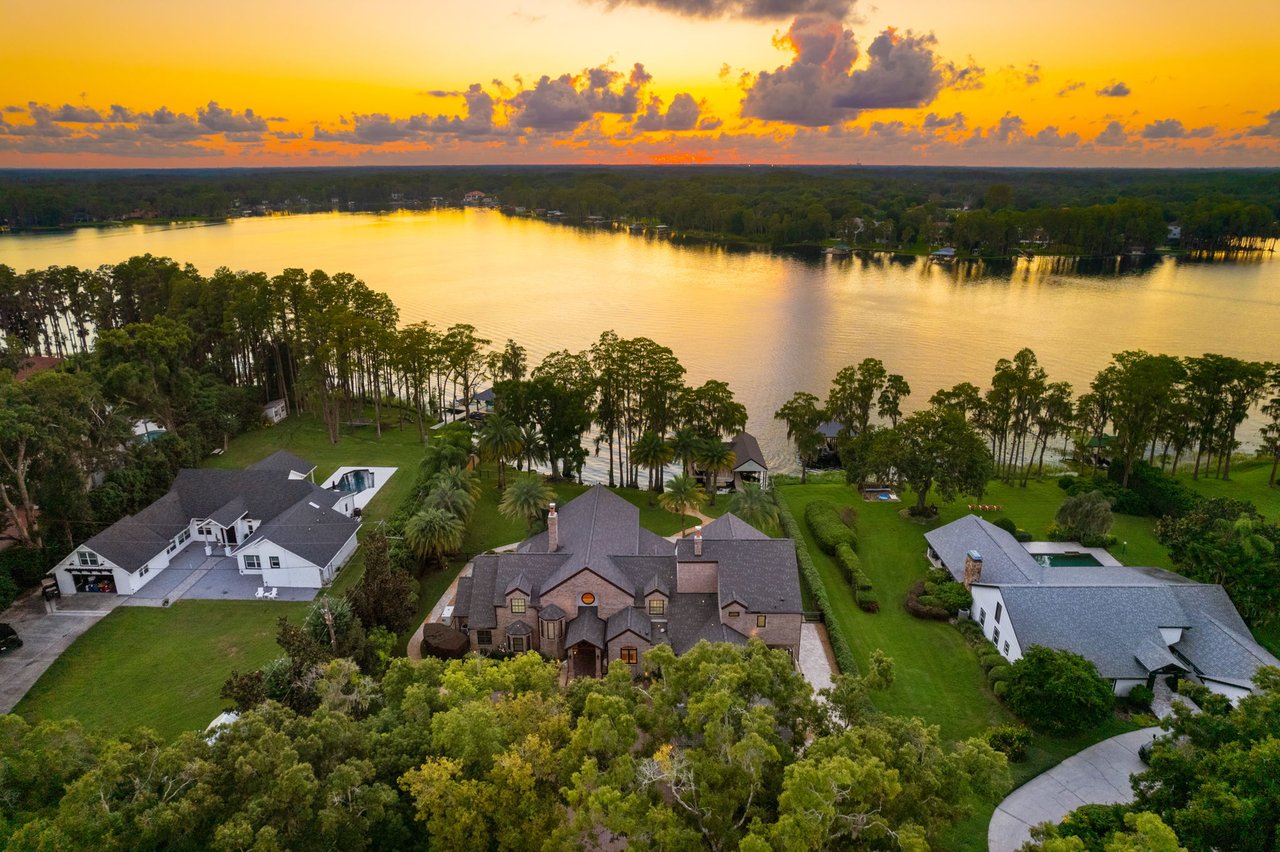
How to Sell Your Luxury Home for Top Dollar in 2026
If you're trying to figure out how to sell a luxury home for top dollar, the first thing to understand is this: a premium price point does not command premium attention on its own. A $3M home sitting in the wrong condition, priced without precision, and marketed through the wrong channels will underperform a $1.5M home that was prepared, positioned, and introduced to the right audience. The price tag is not the pitch.
The 2026 national luxury market illustrates exactly how unforgiving this window is. Entry-level luxury homes are averaging around 63 days on market nationally, while ultra luxury properties are trading in as few as 31 days, according to mid-2026 Redfin data. In the Tampa Bay corridor, where migration from California and the Northeast continues to compress supply, the teams producing results are running a very different playbook than traditional agents who rely on passive MLS listings to do the work. That playbook, covering preparation, pricing, media, and negotiation, is what this guide breaks down from start to close.
Prepare the Property Before You Think About Price
Luxury buyers at the $1M, $6M+ tier have seen a lot of homes. They walk in with a calibrated eye and form judgments within the first few minutes of a showing. Every deferred repair, every dated finish, every awkward empty room is a negotiating chip they pocket for later. Your job is to remove those chips before anyone walks through the door.
What Repairs and Upgrades Actually Move the Needle
The highest-ROI pre-listing improvements tend to fall into three areas: mechanical systems, cosmetics, and curb appeal. HVAC, plumbing, and roof condition are the first things a serious buyer's inspector targets, and any known issue there will surface in a renegotiation. A fresh coat of paint in a current neutral palette, updated hardware, and modernized lighting fixtures cost a fraction of what a price reduction would, and they remove the objections that trigger those conversations before they start.
Resist the temptation to fund major vanity renovations before listing. A full kitchen gut-and-replace rarely returns its cost in a luxury sale because buyers at this tier often intend to customize anyway. The goal is to present the home as impeccably maintained, not newly constructed.
Why Professional Staging Is Non-Negotiable at This Price Tier
High-end home staging for a luxury property in a market like Tampa Bay can range from $3,500 to $40,000 or more, depending on the scope, the vendor, and whether the home is fully vacant. Many Tampa Bay packages for larger luxury homes fall in the $8,000, $20,000 range. That sounds like a significant line item until you consider what the alternative looks like: a $2.5M home shown with dated owner furniture or bare floors reads as either distressed or indifferent. Neither sends the right signal to a high-net-worth buyer.
Staged homes consistently spend less time on market. In practice, staged properties at this price tier routinely attract stronger first offers because the buyer can see the life in the home rather than imagining it. On a $1M listing, even a 1% lift in sale price represents $10,000, which more than covers the staging investment in most cases. The math holds up.
The First Impression You Only Get Once
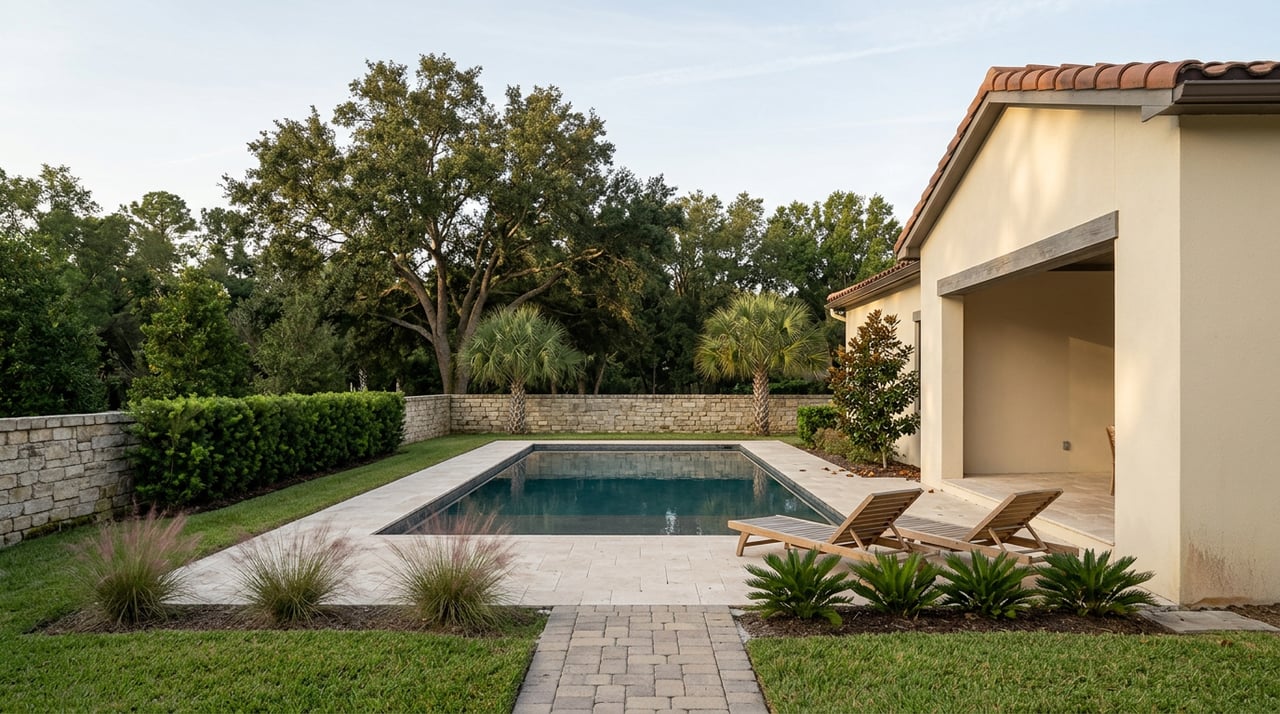
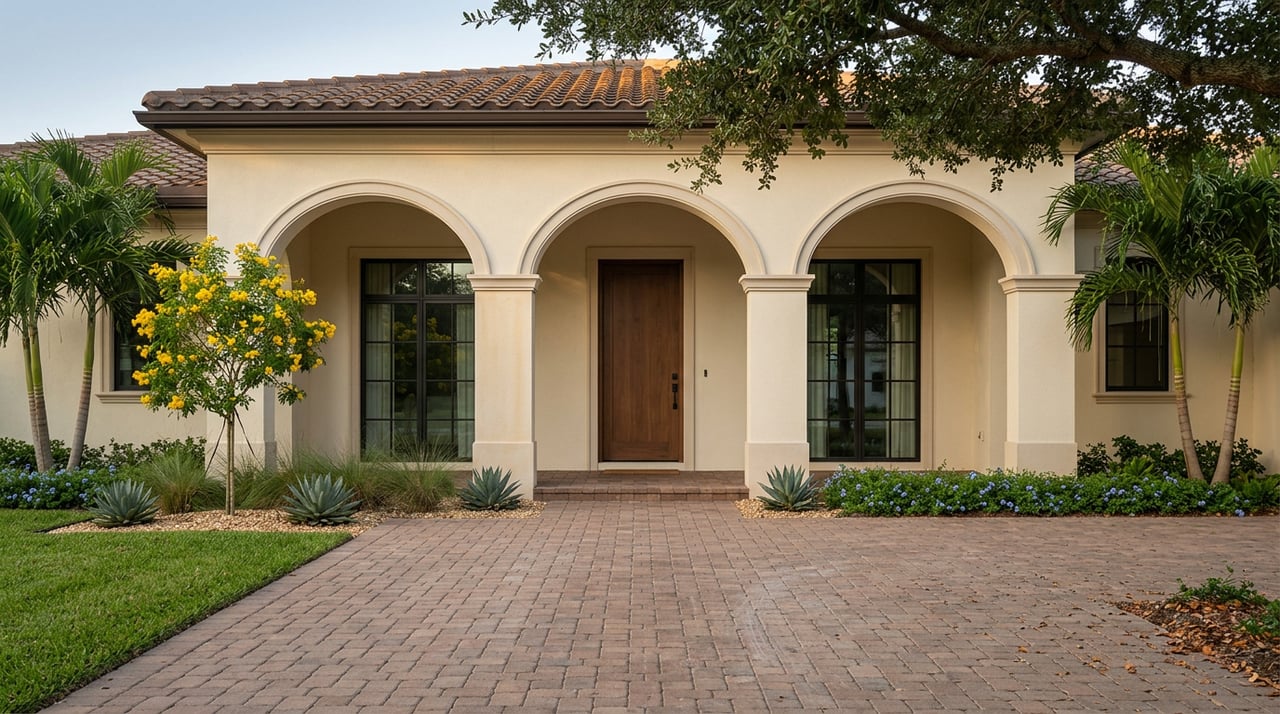
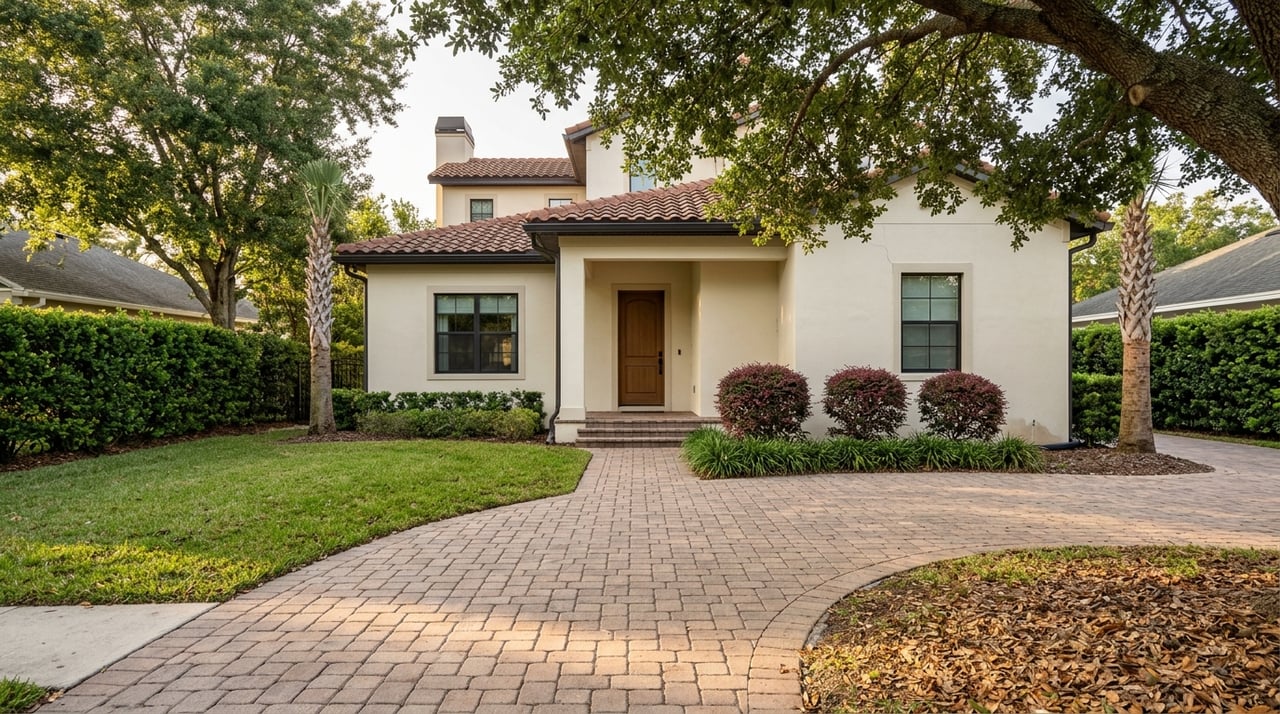
The entry experience matters more than most sellers realize. The front approach, the front door itself, and the sightline a buyer catches the moment the door opens, these are the frames that set the emotional tone for everything that follows. Landscaping should be immaculate, the foyer should be uncluttered, and that first interior sightline should direct the eye toward the home's best feature. A great first impression doesn't just make buyers feel good. It makes them feel like the price makes sense.
How to Sell a Luxury Home: Pricing Without Losing Leverage
Pricing a luxury home is not the same exercise as pricing a neighborhood comparable. Luxury comps are thin, geographically spread, and highly condition-sensitive. Two homes on the same street with the same square footage can legitimately support a $400,000 price spread based on finish level, lot orientation, and recent updates. This is why pricing precision matters more at the top of the market, not less.
Why Comparables Work Differently Above $1M
Experienced luxury agents typically target a 2, 3% precision band when setting the initial list price for high-end properties. Over-pricing above that band creates a specific problem: when the listing eventually cuts its price, buyers interpret the reduction as a distress signal rather than a market correction. A price cut, even a modest one, can restart the marketing clock, reset buyer expectations, and shift the narrative of the listing in ways that are difficult to reverse. Price integrity, in that sense, functions like brand equity for a listing.
The Psychology of Price Positioning at the Top of the Market
Price is not just a number at this tier. It communicates confidence, scarcity, and positioning. Listing at $4.95M instead of $5M can draw in buyers whose search filters cap at $5M while preserving the aspirational quality of the listing. A round, confident number like $3,000,000 signals certainty and strength. Either approach works, the choice depends on the buyer audience and the comparable landscape. What doesn't work is pricing high with the assumption that you'll negotiate down. Luxury buyers read heavy discounting as a sign that something is wrong, and they're usually right.
When and How to Adjust If the Market Signals a Miss
Watch the first 14, 21 days closely. Qualified inquiry volume, showing requests, and buyer-agent feedback in that window tell you whether the pricing is landing. If the signals are weak, make small, deliberate moves: 1, 3% adjustments preserve listing prestige while signaling responsiveness. Large, reactive cuts accomplish the opposite. They restart the clock, reset buyer expectations, and often attract lower-quality offers from buyers specifically hunting for distressed sellers.
The Media Package That Makes Serious Buyers Stop
A meaningful share of luxury buyers in markets like Tampa Bay are relocating from out of state. They pre-screen properties remotely before ever requesting a showing. The media package is not supplemental to the sale process, it is the first sales conversation, and if it doesn't hold attention, the showing never happens.
Photography, Cinematic Video, and Drone Coverage
Professional photography runs $200, $500 at the baseline, drone footage adds another $300, $500, and cinematic walk-through video rounds out the core package. These three elements together form the digital impression that determines whether a qualified buyer books a showing or moves on. For a $2M+ listing in a competitive market, static photos are rarely enough. Buyers in this range increasingly expect immersive content, and agents who deliver it convert more showing requests.
Virtual Tours and Floor Plans for Out-of-State Buyers
California, New York, and Illinois continue to drive a significant share of luxury buyer demand into Tampa Bay. These buyers often cannot visit before making an offer, or they're narrowing a list of five properties across two states. Virtual tours and detailed interactive floor plans compress their decision timeline by letting them walk the home before they're on a plane. This is not a luxury add-on for forward-thinking listings. It's a competitive baseline for serious luxury property marketing.
Realistic Budgets and What They Return
Full luxury media packages, including photography, video, drone, virtual tour, and floor plan, typically run $5,000, $15,000 or more depending on the property and market. On a $3M listing, a $12,000 media package represents 0.4% of the sale price. Research consistently shows that premium media generates more qualified inquiries and faster closings, though precise dollar ROI varies by market and property. When that investment produces one additional qualified offer or cuts 30 days off the market timeline, the return is measured in multiples.
Where High-Net-Worth Buyers Actually Come From
Not every marketing channel produces the same quality of buyer, and at the luxury tier, lead quality matters far more than lead volume. One pre-qualified, motivated buyer is worth more than 50 curious browsers. The channels that consistently produce the former are worth understanding before you commit a marketing budget.
Private Broker Networks and Off-Market Exposure
Private broker networks consistently deliver strong ROI in luxury real estate because buyers arrive pre-qualified and transaction values are high. Off-market deals are estimated to represent roughly 25, 40% of luxury transactions nationally, though exact share varies by metro and price tier. These transactions often close significantly faster than listed sales, frequently in 15, 25 days compared to 30, 45 days for MLS-listed properties, depending on market conditions.
For sellers whose privacy is a priority, a quiet launch through a trusted broker network can produce a premium result without the public exposure of a full MLS listing. Discretion is often the deciding factor for sellers at this tier, and skilled agents know how to use that as an asset rather than a limitation.
Luxury Portals, International Networks, and Targeted Digital
Platforms like LuxuryRealEstate.com, LuxuryEstate.com, and JamesEdition generate qualified inbound demand for properties in the $1M, $6M range and are especially relevant for listings with broad geographic appeal or international buyer potential. Social advertising supports awareness and retargeting but rarely closes luxury deals on its own. It works best as a supplementary layer, not the primary channel. The most effective luxury home listing strategies combine broker networks, luxury portals, and targeted digital into a coordinated sequence, not a single-bet approach.
Print and Prestige Media as a Brand Layer
Print magazines carry the lowest direct sales ROI of any channel, but they serve a different purpose: reinforcing listing credibility and positioning the property within a prestige context that some buyers still respond to. A listing that appears in a regional or national luxury publication signals seriousness. It's most effective alongside digital and broker-network channels, not instead of them. Think of print as atmosphere, not engine.
Managing Showings, Privacy, and the Negotiation
Once the right buyers are engaged, the showing experience and negotiation process determine how much of your asking price actually makes it to the closing table. Both deserve as much strategic attention as the listing itself.
Controlling Access Without Cooling Buyer Interest
Luxury sellers often have legitimate privacy concerns: active security systems, high-profile occupants, or simply a preference for discretion. Pre-qualifying buyers before showings, requiring appointment-only access, and controlling the showing environment are all reasonable and expected at this price tier. High-net-worth buyers don't find this friction off-putting. They find it appropriate. A curated, controlled showing experience signals that the seller is serious and the property is worth protecting.
Building Your Negotiation Floor Before the First Offer
Establish your walk-away thresholds before any offer arrives. Use comparable sales and showing feedback to set a realistic floor, then plan your concession sequence in advance. Staged concessions, traded deliberately rather than given reactively, outperform emotional discounting every time. When you need to move toward a buyer, bundle value: furnishings, flexible closing dates, repair credits. Hold the headline price as long as possible, because in luxury real estate, the number on the page carries psychological weight that a price reduction cannot restore.
Reading Buyer Signals and Protecting Price Integrity
A first offer below asking is not automatically a low-ball. Interpret it alongside the offer structure, contingency terms, and the tone of the buyer's agent communication. These signals tell you more about a buyer's ceiling than the opening number does. The counter strategy should be based on reading the buyer's conviction, not reacting to the gap between their opening and your ask. Experienced luxury agents negotiate toward the buyer's ceiling, not just away from their opening.
What to Look for in a Luxury Real Estate Agent
The agent you choose to represent a high-value property is one of the highest-leverage decisions in the entire process. Not every licensed agent understands luxury buyer psychology, luxury property marketing, or how to hold price through a negotiation. The difference in outcomes between an average agent and the right agent at this price tier can materially affect the final sale price, sometimes by tens or hundreds of thousands of dollars, depending on the property and market conditions.
The Marketing-Forward Approach That Separates Strong Agents
Traditional agents rely on passive MLS listings and hope the right buyer finds the home. Agents with a genuine luxury specialization bring a proactive, media-driven strategy: cinematic content, targeted digital distribution, private network access, and a clear communication cadence with the seller throughout the process. When you interview any agent, ask them to walk you through their specific marketing plan for a $2M+ property. A vague answer is a disqualifying answer.
Discretion, Integrity, and Genuine Local Market Depth
In luxury real estate, trust is the foundation of the transaction. Sellers need an agent who understands the communities they serve at a neighborhood level, not just a zip code. Austin Marks Group represents Tampa Bay luxury properties from $1M to $6M+ across communities including Odessa, Westchase, and Lutz. The team pairs deep local knowledge with advanced digital marketing and a commitment to discreet, high-integrity representation, a combination that consistently produces better outcomes for sellers who demand both.
The Questions to Ask Before You Sign a Listing Agreement
Four questions worth asking any agent you're considering when selling luxury real estate:
- What is your average days on market for listings in this price range?
- What does your marketing budget look like per listing, and what does it include?
- How do you handle buyer pre-qualification before showings?
- How have you handled a price negotiation on a property where the first offer came in significantly below ask?
The answers tell you whether an agent is prepared to execute a strategy or simply prepared to list and wait. At the luxury tier, waiting is not a strategy, it's a cost.
Selling a Luxury Property Is a Sequence, Not a Single Decision
Preparation precedes pricing. Pricing precedes media. Media precedes the right audience. The audience precedes the offer. Every step in this sequence either builds or undermines the one that follows. Sellers who get the sequence right sell faster, at a higher price, and with fewer concessions. Sellers who skip steps find out what those steps were worth when the negotiation starts.
If you want to know how to sell your luxury home in the Tampa Bay area for top dollar, the process starts with an honest look at where your property stands in the current market. Austin Marks Group works with sellers across Odessa, Westchase, Lutz, and the broader Greater Tampa Bay corridor, bringing the local market depth, marketing infrastructure, and negotiation discipline that a $1M+ sale requires. Reach out when you're ready to understand what your property is actually worth and what it would take to position it at the top of the market.