Trying to choose between a brand-new build and a move-in ready resale in Lakewood Ranch? You are not alone. Each path offers real advantages, and the right choice comes down to timing, costs, and how you want to live. In this guide, you will learn how new construction and resale homes compare on timelines, upgrades, HOA and CDD fees, inspections, warranties, and appraisals so you can buy with confidence. Let’s dive in.
Lakewood Ranch at a glance
Lakewood Ranch is a large, award-winning master-planned community with multiple villages, parks and trails, town centers, and medical and education hubs. It operates through a Stewardship and Community Development District structure and features a wide roster of national and regional builders across price points. You can scan the scope of the community in the official Lakewood Ranch master-planned community fact sheet.
On pricing, figures vary by source and submarket. County-level reporting shows that Manatee County’s 2025 average and median sale prices diverged by methodology, with an average around the mid-$600s and a median around the mid-$400s. You can review the county’s year-end context in the Realtor association’s Manatee County 2025 market statistics report. Inside Lakewood Ranch, builders offer products from entry-level townhomes to luxury estates, with published starting prices that can range from the $300s to over $1 million depending on the village and product.
New construction: what to expect
Timeline and build types
If you are eyeing a made-to-order single-family home, plan for roughly 6 to 12 months from contract to completion based on national trends. The average permit-to-completion time for single-family homes was about 10.1 months in 2023, and it varies by builder and permitting pace. Quick-move and spec homes can often close in 30 to 90 days if they are already underway. See the national analysis of build times from NAHB for context on the single-family build timeline.
Customization, options, and true price
Builders advertise a base price for each plan. Your real contract price typically adds design packages, structural options, and any lot premium. Model homes often showcase upgrades that are not included in the base. To compare to a resale, you need the builder’s line-item worksheet that separates standard features from options and lists the lot premium. The community’s official site also tracks featured builder incentives that can lower your effective cost.
Incentives and preferred lenders
Incentives matter. Many builders offer rate buydowns, closing cost credits, upgrade allowances, or reduced prices on quick-move homes. These offers often require using a preferred lender and can be time-limited, which means your monthly payment may differ from what the headline price suggests. Ask for all incentive terms in writing and calculate your net cost after incentives, not just the sticker price. You can browse current featured builder incentives in Lakewood Ranch to see typical structures and conditions.
Warranties and post-closing care
Florida builders commonly follow a tiered warranty pattern often summarized as 1 year for workmanship, 2 years for systems, and 10 years for major structural items. Some warranties are backed by third-party programs. Confirm what is covered, how to file claims, and whether the warranty transfers. For an overview of common warranty scopes, see this summary of builder warranty programs in Florida.
Inspections and punch lists
Even with new construction, independent inspections at key phases are smart. Schedule inspections pre-slab or foundation (if applicable), pre-drywall, and a final inspection before your walkthrough and closing. After you move in, an 11-month inspection helps you document issues before warranty expiration. These staged inspections create clear punch lists and support warranty claims. A helpful overview of phased inspections is available here: new construction home inspections.
Appraisals and financing for new builds
Appraisers must rely on market evidence. In new subdivisions with limited closed sales, they may use outside comparables or a cost approach. Because lot premiums and options can push your contract price above recent comps, appraisal gaps can occur. Lenders also often require a completion report when a home is appraised before it is finished. Plan for how you will handle a shortfall, whether with extra cash, renegotiation, or a builder credit. For appraisal process context, review the Appraisal Institute’s guidance notes.
Resale homes: speed, value, and trade-offs
Faster move-in and certainty
If timing is tight, resale homes typically offer faster closings since the property is complete and the title process is standard. Many buyers close within 30 to 60 days once inspections and underwriting are done. That certainty can be decisive if you need to coordinate a sale and purchase or limit your carrying costs.
Upgrades you can see and use now
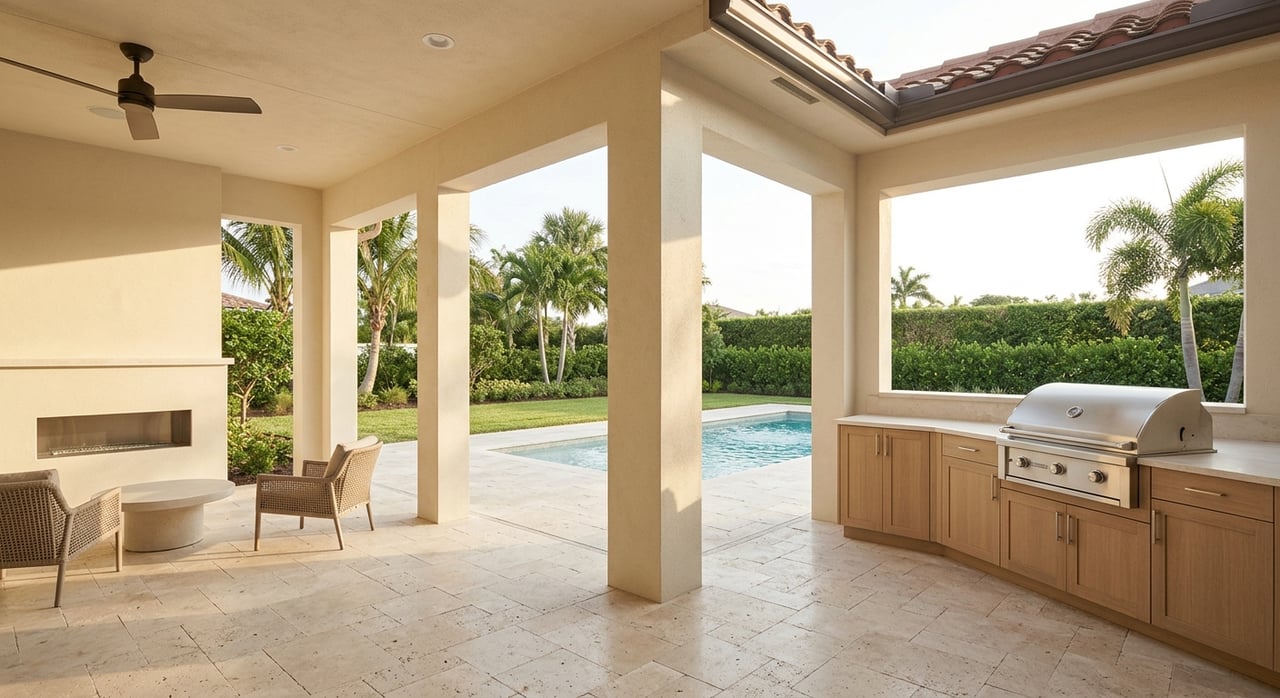
Resale homes often include owner-funded improvements like landscaping, pools, outdoor kitchens, and upgraded interiors. While a resale list price may look higher than a builder’s base price, it can be better value after you account for what those features would cost as builder options. Balance that upside against potential deferred maintenance. A strong inspection and negotiation plan will protect you. To sense broader price context across Manatee County, use the county’s year-end market statistics report.
Mature neighborhoods and known operations
Established villages offer mature trees and landscaping, plus known HOA operations and amenity usage patterns. Newer villages may deliver modern amenity packages but can take time to stabilize budgets and operations. You can scan village updates and growth areas within Lakewood Ranch’s official channels when comparing neighborhoods.
Monthly costs: HOA, CDD, taxes, and insurance
Lakewood Ranch uses a Stewardship District and multiple Community Development Districts along with neighborhood HOAs. As an owner, you will typically pay property taxes, HOA dues, and CDD assessments. CDD assessments are collected on your tax bill and include operations and maintenance plus any debt service tied to your parcel and phase. For a high-level overview of how these assessments are structured, see the Stewardship District documentation on assessments and operations.
Parcel and association fees vary by village and product. Some parcels show monthly fees in the low hundreds, while others with robust amenity packages are higher. You can review examples in published parcel schedules such as the 2025 parcel fee summary. When you compare homes, build a true monthly number that includes:
- Principal and interest based on your rate and loan program
- Property taxes and CDD assessments from the tax estimator and parcel schedule
- HOA dues and any club or amenity fees
- Homeowners insurance and flood coverage if applicable
Where buyer representation makes a difference
New construction and resale each involve high-stakes details. The right local agent keeps you protected and can save you money.
New construction advocacy
- Contract review. Builder agreements often include staged deposits, timelines, cancellation terms, and incentive conditions. A local advocate can confirm terms and negotiate clarifications. Review published builder incentives to understand typical conditions.
- Value engineering. Decide which upgrades are worth paying the builder to install and which are easier to add later.
- Inspection coordination. An agent helps you schedule pre-drywall, final, and 11-month inspections and document punch-list items for warranty claims, as covered in this overview of new construction inspections.
- Appraisal strategy. Your agent can prepare comparables, track concessions in writing, and set a plan if the appraisal comes in short. Here is broader context from the Appraisal Institute.
Resale negotiation and timing
- Price, repair, and concession leverage based on condition, days on market, and competing inventory
- Contingency structures for inspection, financing, and appraisal
- Calendar coordination if you need to sell and buy with limited overlap
Which path fits your move
- Choose new construction if you want modern design from day one, the ability to personalize layout and finishes, and the peace of mind of a warranty. Be ready for a longer timeline and to manage option pricing, appraisals, and inspections.
- Choose resale if you need a faster move, value established neighborhoods, and want to capture built-in improvements like pools or outdoor living. Plan for thorough inspections and possible updates after closing.
Both paths can be excellent in Lakewood Ranch. The right choice comes from your timeline, monthly budget, and how you value customization versus immediate convenience.
Quick Lakewood Ranch checklist
Use this simple decision checklist to compare specific homes and villages:
- Confirm the exact village and product type, and whether the property is a spec, quick-move, or made-to-order. You can browse village updates within the Lakewood Ranch community pages.
- Request a written worksheet from the builder that separates standard features, options, and any lot premium. Check current featured builder incentives and note all conditions.
- Get all incentive terms in writing, including lender requirements, rate buydown type, and expiration.
- Build your full monthly cost: mortgage, property taxes, HOA dues, and CDD assessments per the Stewardship District’s assessment framework and parcel schedules.
- Schedule third-party inspections at key milestones and plan an 11-month warranty inspection. See this guide to new construction home inspections.
- Clarify appraisal timing and who covers a shortfall if the value comes in below contract. Review the Appraisal Institute’s guidance.
- Work with a local agent who knows Lakewood Ranch’s builders, fees, and village differences.
Ready to compare specific new-build and resale options side by side and model your monthly cost with HOA and CDD included? Reach out to Austin Marks for local guidance, negotiation strategy, and a data-backed plan for your move.
FAQs
How long does new construction take in Lakewood Ranch?
- National data shows single-family homes average about 10 months from permit to completion, with local quick-move homes often closing in 30 to 90 days. See the build time analysis.
What are HOA and CDD fees and how do they affect my payment?
- In Lakewood Ranch you will typically pay HOA dues plus CDD assessments that appear on your tax bill. Fees vary by village and product and can be material. Review the district assessment framework and sample parcel fees.
Do builders in Florida include warranties on new homes?
- Most follow a tiered approach often summarized as 1 year for workmanship, 2 years for systems, and 10 years for major structural items. Confirm exact coverage and claim steps. See this overview of Florida builder warranties.
Should I still get inspections on a new-build home?
- Yes. Pre-slab or foundation, pre-drywall, final, and an 11-month inspection help catch issues and support warranty claims. Learn more about new construction inspections.
What happens if my new-build appraisal comes in low?
- You and your agent can seek a price adjustment, negotiate a credit, or bring additional cash to close. Understand lender requirements and document any concessions. See the Appraisal Institute’s notes.