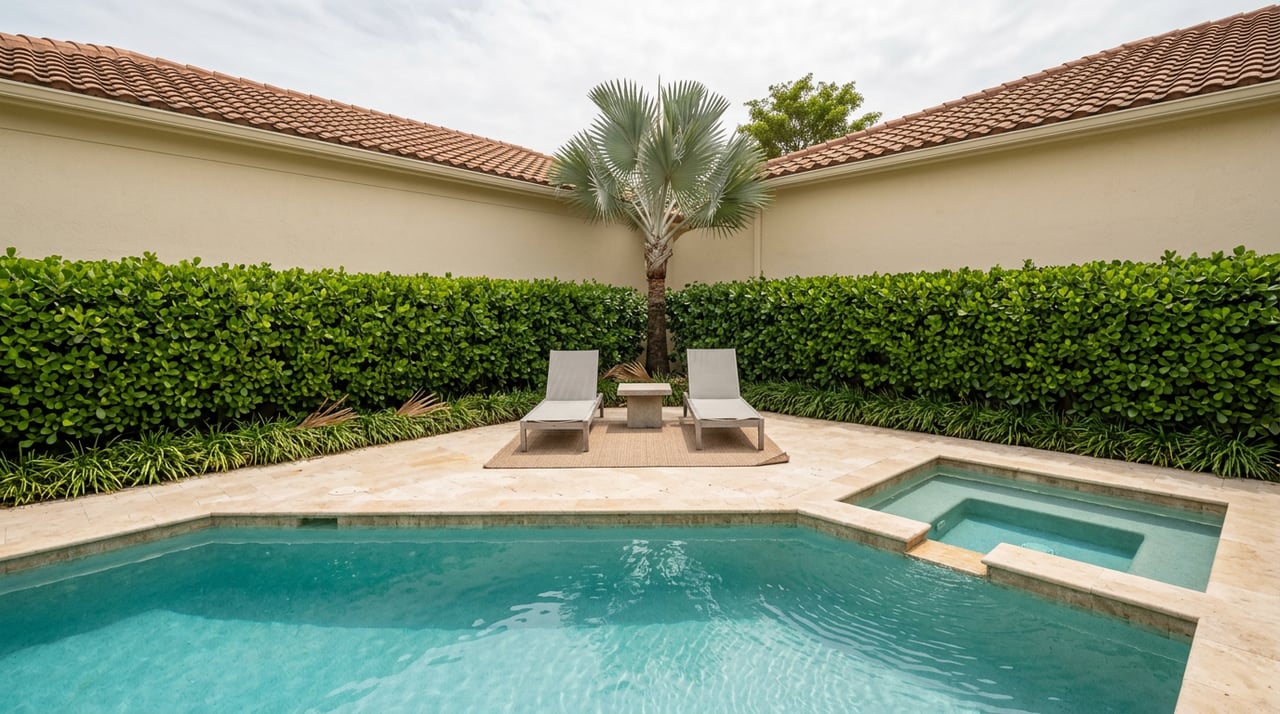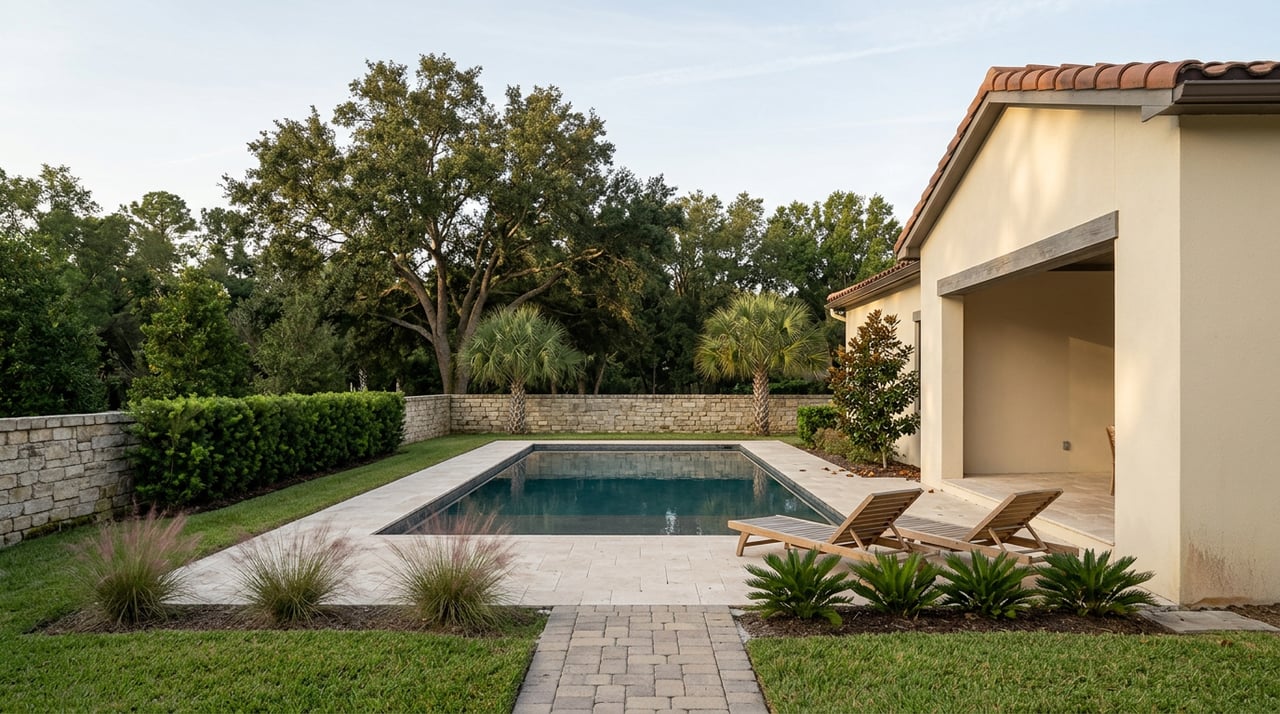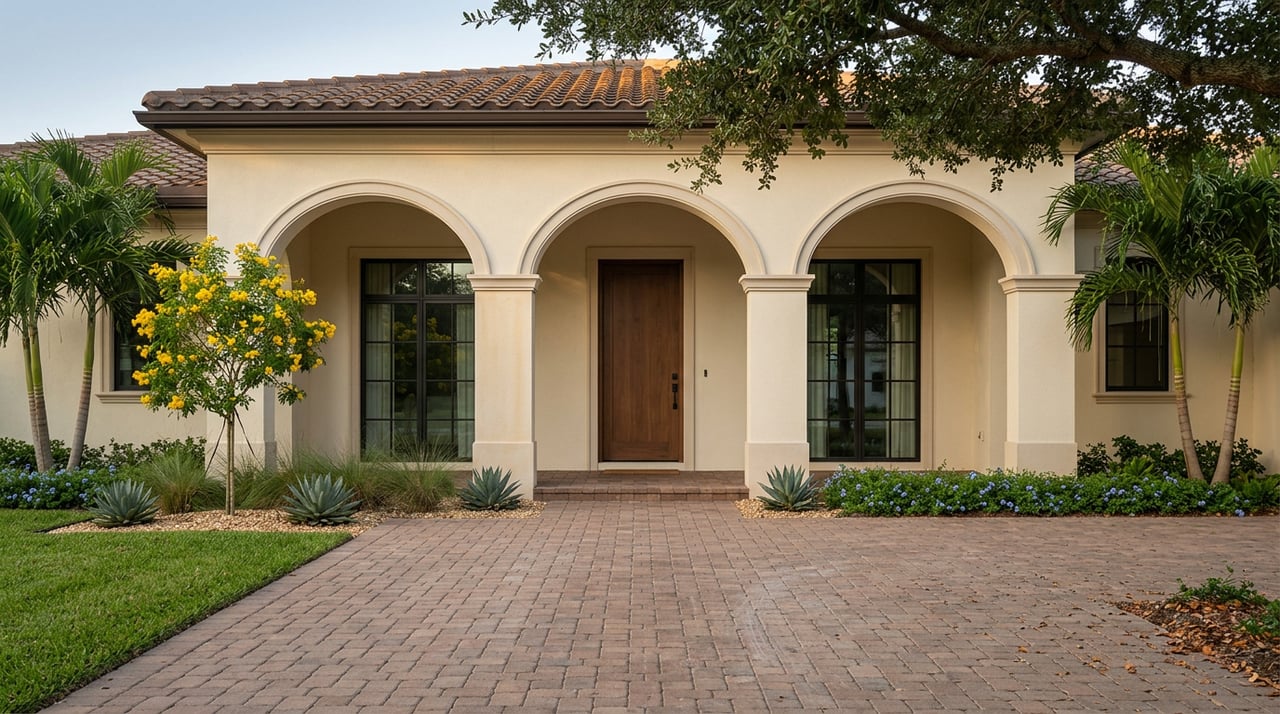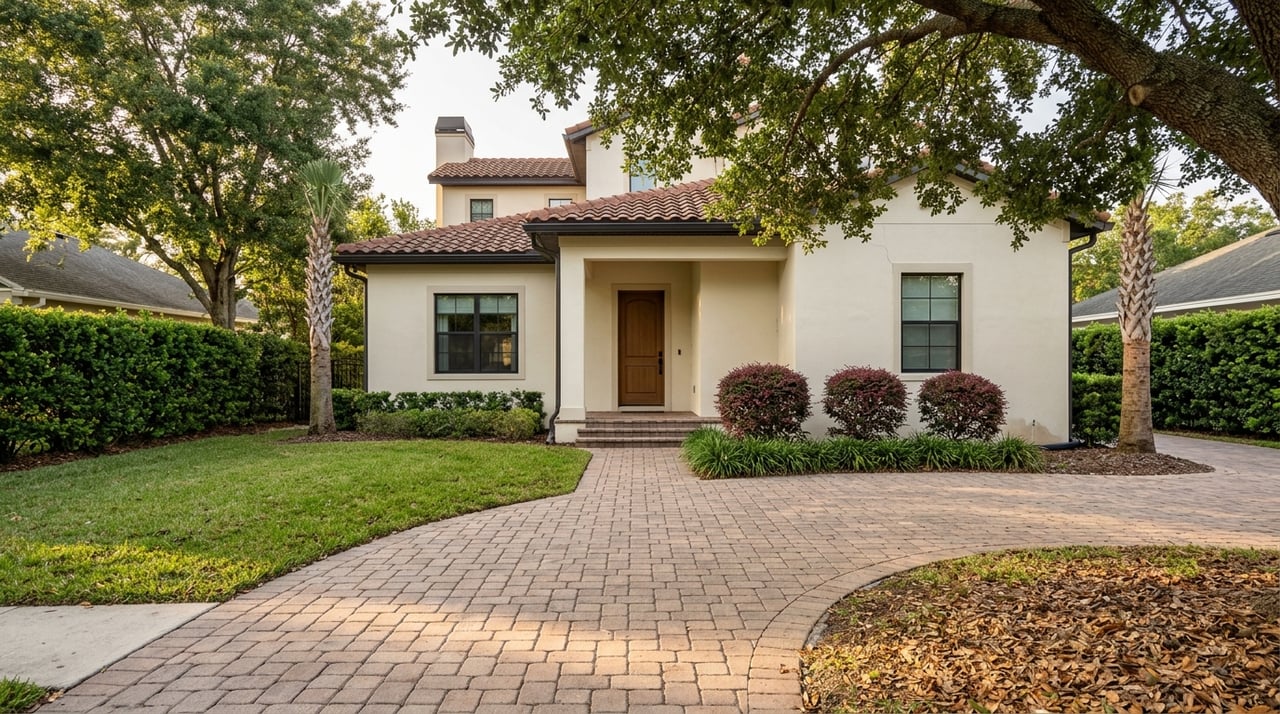
Is Clearwater calling your name, but you are torn between a condo and a single-family house? You are not alone. In a coastal market shaped by flood zones, hurricane exposure, and a mix of older and newer buildings, the right choice comes down to costs, risk, and how you want to live. In this guide, you will learn how condos and houses in Clearwater differ on expenses, maintenance, insurance, financing, resale, and daily lifestyle. Let’s dive in.
Clearwater context that matters
Clearwater sits on Florida’s Gulf Coast, which means coastal weather, flood zones, and wind risk influence both ownership costs and peace of mind. Many waterfront condo buildings were built between the 1960s and 1980s, and some may face larger capital needs. Florida also increased condominium safety oversight after the 2021 Surfside collapse, so building inspections, reserve funding, and association transparency now play a bigger role for condo buyers. Local ordinances, short-term rental rules, and permitting standards vary across the City of Clearwater and Pinellas County, so be sure to review current regulations before you buy.
Cost comparison at a glance
Purchase price and entry costs
- Condos often provide a lower entry price near beaches and walkable areas, which can reduce your down payment and mortgage amount. Some condo closings include a capital contribution to reserves or pro-rata association fees.
- Single-family homes typically cost more in desirable Clearwater neighborhoods due to lot value, private yards, and location. Price varies by proximity to water, age, and renovations.
HOA fees vs. homeowner maintenance
- Condos charge monthly association fees. These generally cover exterior upkeep, common areas, building insurance through a master policy, landscaping for shared grounds, and amenities like pools or gyms. Fees vary by building, amenities, and how well reserves are funded.
- Single-family homeowners do not pay condo fees but handle everything themselves. Think roof, exterior paint, lawn care, pool service if you have one, and any private amenities. You can manage maintenance directly or hire vendors for a low-touch routine.
Insurance differences to budget
- Condo owners usually carry an HO-6 policy for interior finishes, personal property, and liability. Flood insurance is separate. The association carries a master policy for the building’s structure and common areas. Coverage boundaries vary, so review what the master policy covers and where your responsibility begins.
- Single-family homeowners carry a homeowner’s policy that covers the structure, contents, and liability. Flood coverage is also separate. In Florida, wind and hurricane deductibles and pricing can be significant, and costs vary by location, building age, and mitigation features.
- Florida’s property insurance market has been volatile. Work with local insurance experts early to understand premiums, deductibles, and available options for your specific property.
Property taxes and homestead benefits
- Pinellas County assesses property taxes on value. If the home is your primary residence, Florida’s homestead exemption and the Save Our Homes cap can reduce your tax burden and limit increases. These benefits apply to both condos and houses when eligible. Verify details with the county property appraiser.
Special assessments and reserves (condos)
- Associations can levy special assessments for capital projects like roofs or structural work. This risk is higher when reserves are underfunded. Review the reserve study, recent assessment history, and meeting minutes for any upcoming projects.
Maintenance and risk in Pinellas
Who handles what
- Condos: The association typically maintains structural elements, roofs, elevators, and common systems, while you handle your interior and in-unit systems per the governing documents. Confirm the line between association and owner responsibility.
- Single-family homes: You are responsible for everything on your lot. That means you set the schedule and the budget for upkeep, replacements, and improvements.
Building age and inspections
- Many Clearwater waterfront condos are older, so structural reports, reserve studies, and recent inspections matter. Large repairs can trigger higher fees or assessments.
- For houses, prioritize inspections for roof age, HVAC, plumbing, drainage, elevation, and any seawalls if waterfront. Termite and wood-destroying organism checks are also important.
Flood, wind, and storm surge
- Flood zones influence insurance requirements. Lenders typically require flood insurance in Special Flood Hazard Areas. Consider elevation, drainage, and flood history as part of due diligence.
- Newer construction often has stronger wind mitigation features. Older structures may need upgrades. A wind mitigation inspection can help you understand risk and potential premium savings.
Seawalls and shoreline
- Some properties rely on seawalls or shoreline structures. These can be costly to repair or replace and may require permits. If you are buying waterfront, review condition, maintenance history, and any planned work.
Financing, resale, and rental rules
Condo project approval and lending
- Lenders often review a condo building’s reserves, litigation, owner-occupancy ratio, and rental rules. Buildings with weak reserves, high fees, or litigation can limit mortgage options. Ask your lender about project approval early.
Marketability and resale
- Condos appeal to buyers who want lower entry cost, lock-and-leave convenience, and proximity to amenities. Resale value can be affected by high fees, deferred maintenance, lending hurdles, and the building’s financial health.
- Single-family homes attract buyers seeking private outdoor space and control over improvements. Resale often hinges on location, lot attributes, and property condition.
Short-term rental and usage rules
- Condo associations commonly restrict short-term rentals or set minimum lease terms. Read the declaration, bylaws, and rules for specifics.
- Houses may be subject to city and county rules, plus HOA covenants if applicable. Confirm whether permits or registrations are required, and whether your zoning allows the rental plan you want.
Liability and exposure
- Condo owners can be exposed to special assessments tied to master policy deductibles or building repairs. Understand your policy’s loss assessment coverage.
- Homeowners assume full responsibility for on-site incidents and should size liability coverage accordingly, especially for pools or large trees.
Lifestyle and amenity tradeoffs
Convenience and shared amenities
- Condos often include pools, fitness centers, security, and landscaping. You get a low-maintenance lifestyle and easy access to Clearwater’s beaches and walkable areas.
Privacy, space, and control
- Single-family homes deliver private yards, garages, and autonomy over renovations. If you want room for pets, gardening, or future additions, a house may fit better.
Which choice fits you
- Choose a condo if you value convenience, prefer less direct maintenance, and want building amenities or seasonal use.
- Choose a house if you need yard space, want full control of improvements, or prefer to avoid association governance and recurring condo fees.
A practical buyer checklist
Monthly budget worksheet
- Mortgage payment
- HOA or condo fee (if condo)
- Property taxes
- Homeowner or HO-6, plus flood and wind coverage
- Utilities: water, sewer, electric, Internet/cable
- Maintenance and repairs
- Condo: set a modest in-unit allowance
- House: budget for lawn care, exterior upkeep, roof and systems
- Contingency for assessments or capital repairs
What to request for condos
- Current budget and last two years of financials
- Reserve study and proof of reserve funding
- Meeting minutes and any special assessment history or planned projects
- Master insurance declarations and deductibles
- Governing documents: declaration, bylaws, rules, and rental policy
- Any litigation disclosures
- Owner-occupancy statistics and rental schedules
- Recent building inspection or structural reports
What to evaluate for houses
- Ages and condition of roof, HVAC, plumbing, and electrical
- Flood elevation, drainage, and any flood claims history
- Seawall condition and permits if waterfront
- Termite, wood-destroying organisms, and moisture concerns
- Any HOA covenants or deed restrictions
- Utility and maintenance cost history, if available
Due diligence steps for both
- Order a comprehensive inspection tailored to the property type
- For condos, have association documents and the master policy reviewed
- Check flood maps and obtain insurance quotes before finalizing your offer
- Confirm financing feasibility early, including condo project approval if relevant
The bottom line for Clearwater buyers
Both condos and single-family homes can be smart buys in Clearwater. The key is understanding how coastal risk, building age, association health, and insurance shape your budget and lifestyle. When you compare real monthly costs and align them with your day-to-day priorities, the right choice becomes clear.
If you want a data-informed comparison of specific Clearwater properties, connect with Austin Marks for local guidance tailored to your budget and goals.
FAQs
What costs differ most between condos and houses in Clearwater?
- Condos add monthly association fees and potential special assessments, while houses shift those costs into direct maintenance, repairs, and yard care.
How do Florida flood zones affect Clearwater homebuyers?
- Flood zones influence insurance requirements and pricing. Lenders usually require flood insurance in high-risk zones, so verify elevation and coverage early.
What should I review before buying a Clearwater condo?
- Review the budget, reserves, master insurance, meeting minutes, governing documents, rental rules, litigation, and any recent structural reports.
Why do lenders scrutinize condo buildings in Florida?
- Lenders assess reserves, litigation, owner-occupancy, and rental policies to gauge project risk. Some buildings may not meet approval standards.
Are short-term rentals allowed for Clearwater properties?
- It depends on the association, zoning, and local rules. Many condos limit short-term stays, and single-family homes may require permits or have restrictions.