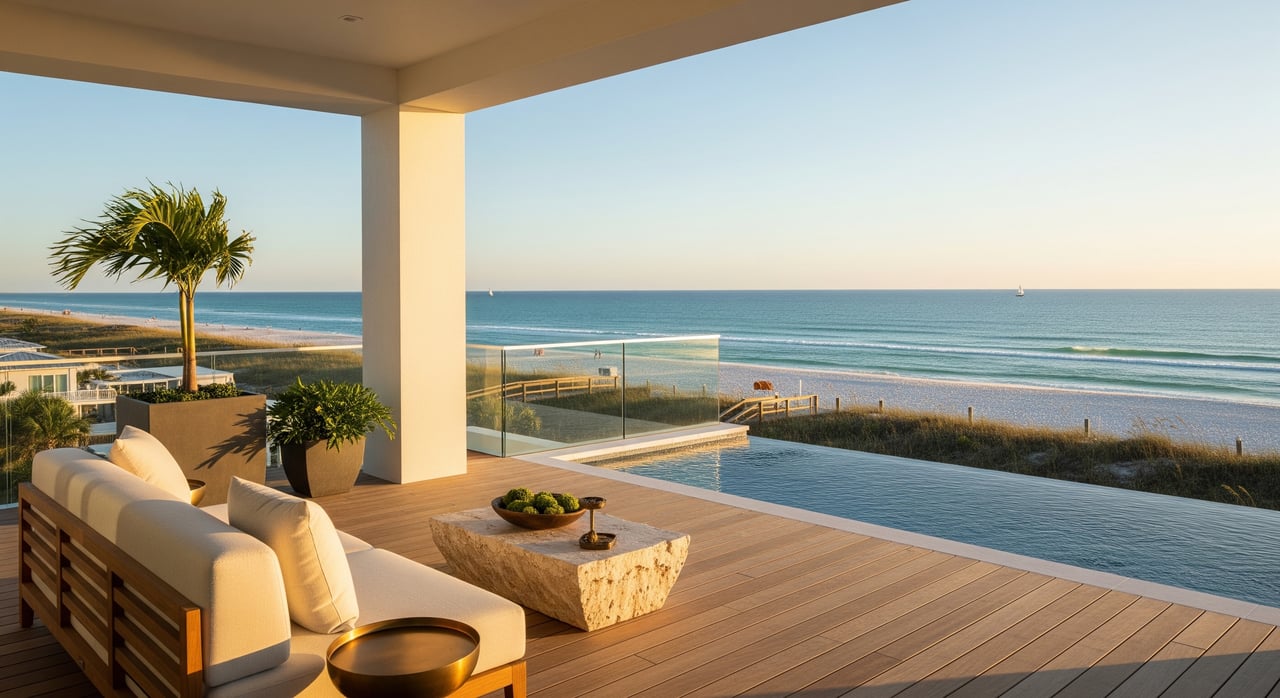
What if your morning started with a quiet beach walk and ended with a sunset that stops everyone in their tracks? If you are weighing a move to St. Pete Beach or considering a second home, you likely want the real story on daily life, housing options, and the costs that come with barrier‑island living. In this guide, you will learn how the city feels through the seasons, what it takes to own near the sand, and practical tips for getting around and planning your budget. Let’s dive in.
St. Pete Beach vibe and rhythm
St. Pete Beach blends a resort‑town energy with a small‑city feel. You will see hotels, beach bars, and vacation rentals, but you will also find year‑round neighbors who know their favorite coffee spots and fishing tides. The population swells in winter as seasonal residents arrive, then relaxes again in summer. Expect a coastal pace, later sunsets, and a community that orients much of life around the water.
Micro‑areas and daily routines
- Pass‑a‑Grille: The historic southern tip is known for charming cottages, low‑key boutiques, and sunrise or sunset strolls. It skews quieter and more residential in feel.
- Corey Avenue and the commercial strip: This is the neighborhood hub for cafes, shops, and quick errands. You will see locals mingling with visitors most days.
- Beachfront condo corridors: North and central stretches have denser condo buildings and more visible tourism. Foot traffic and activity are higher near the sand.
Mornings often start with beach walks, paddling, or fishing. Summer afternoons are slower due to heat and humidity, then evenings move toward dining and sunset‑watching. Weekends and holidays are busier, especially near core commercial areas and popular beach access points.
Housing and neighborhoods
The island’s housing is a mix, with condominiums dominating the beachfront and single‑family homes tucked into Pass‑a‑Grille and inland pockets. Land is limited, so redevelopment pressure is common in desirable spots. Short‑term rentals and investor‑owned units are part of the fabric in certain buildings and blocks.
Condos: what to expect
Condos are popular with downsizers and second‑home buyers because they offer a lock‑and‑leave lifestyle and direct beach access. Entry prices can be lower than single‑family homes, but you should budget for HOA fees and possible special assessments, especially in older buildings completing structural or hurricane‑readiness upgrades. Review reserves, recent projects, and planned improvements before you buy.
Single‑family homes and cottages
Single‑family homes show up in smaller‑lot neighborhoods and historic areas like Pass‑a‑Grille. Many properties are older, so you should factor in renovation needs and coastal wear. These homes offer privacy and character, but limited supply and proximity to the water often drive stronger demand.
Investment and rental policies
Some associations and streets are oriented to short‑term rentals, while others emphasize longer‑term living. City and county regulations govern rental use, duration, and permits, so verify current rules and enforcement trends for any property you are considering.
Costs to plan for
Barrier‑island ownership comes with unique costs. Planning early helps you avoid surprises and choose the right property for your goals.
Insurance and flood exposure
- Homeowners and windstorm insurance can run higher along the coast. Premiums depend on building age, elevation, and wind‑mitigation features.
- Many properties sit in FEMA flood zones, and lenders often require flood insurance. Ask for elevation certificates and building mitigation details so you can secure quotes early.
- Hurricane season runs June 1 through November 30. A clear storm‑prep plan and resilient building features are valuable.
HOA fees, assessments, and maintenance
- HOA and condo fees typically cover building insurance, reserves, common areas, elevators, and preparedness measures.
- Older buildings may undergo structural or resiliency projects that trigger special assessments. Review association financials and meeting notes to understand what is ahead.
- Salt air accelerates corrosion. Expect more frequent exterior, roof, and mechanical system upkeep compared with inland homes.
Taxes and total carrying cost
Florida has no state income tax, but total cost of ownership includes property taxes, insurance, utilities, and HOA fees where applicable. Build a full monthly and annual budget so you can compare condos, cottages, and mainland options confidently.
Getting around and daily essentials
St. Pete Beach is walkable in its core corridors and along the beachfront, though many daily errands reach onto the mainland.
Transportation and access
The island revolves around Gulf Boulevard with a few bridges to the mainland. Traffic can slow during peak season and holiday weekends. The Pinellas Suncoast Transit Authority runs bus routes along key corridors, but many residents rely on cars, bikes, or golf‑cart style transport for short trips. For air travel, Tampa International Airport and St. Pete‑Clearwater International Airport are your main options, with drive times that vary by traffic.
Groceries, dining, and errands
You will find small markets, local shops, and restaurants on the island. Larger supermarkets, big‑box stores, and wider service choices are a short drive away on the mainland. Seasonal business hours are common, and the restaurant scene ranges from casual beach bars to more curated spots near Pass‑a‑Grille and Corey Avenue.
Healthcare and services
Primary care and urgent care are nearby, while major hospitals and specialist care are typically on the mainland. Emergency preparedness is a community focus, and local police and fire services operate in and around the city.
Schools and enrollment
Island addresses are served by Pinellas County Schools. If you have school‑age children, review current assignment zones and transportation options, and test the commute during typical traffic times.
Beaches, boating, and outdoor life
Daily life leans outdoors. You will have easy access to the Gulf and the intracoastal, along with parks and paths for biking and walking.
Beach access and activities
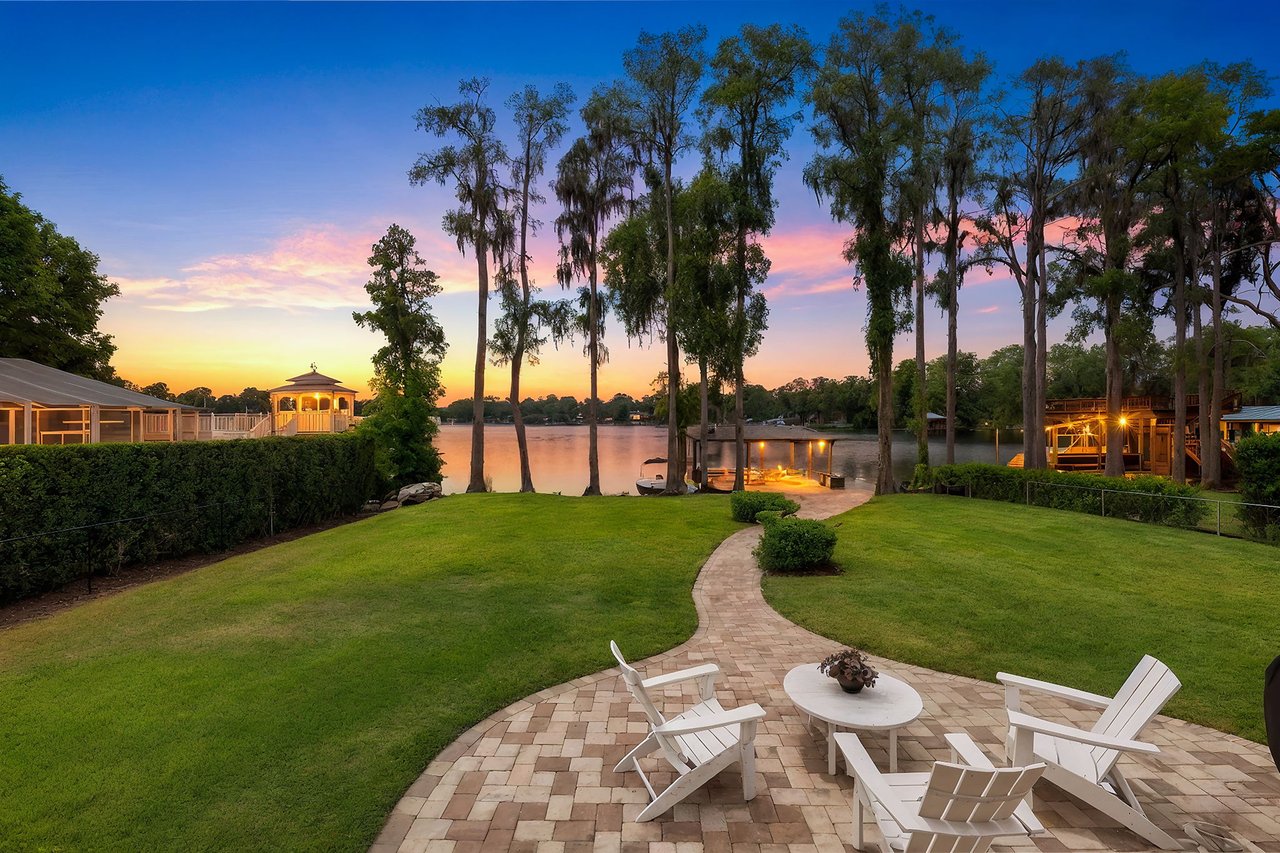
Multiple public access points line the island, and amenities vary by stretch. Some areas have lifeguards, restrooms, parking, or nearby concessions. Shelling and surf fishing are everyday pastimes, and sunset gatherings are a shared ritual.
Boating, marinas, and ramps
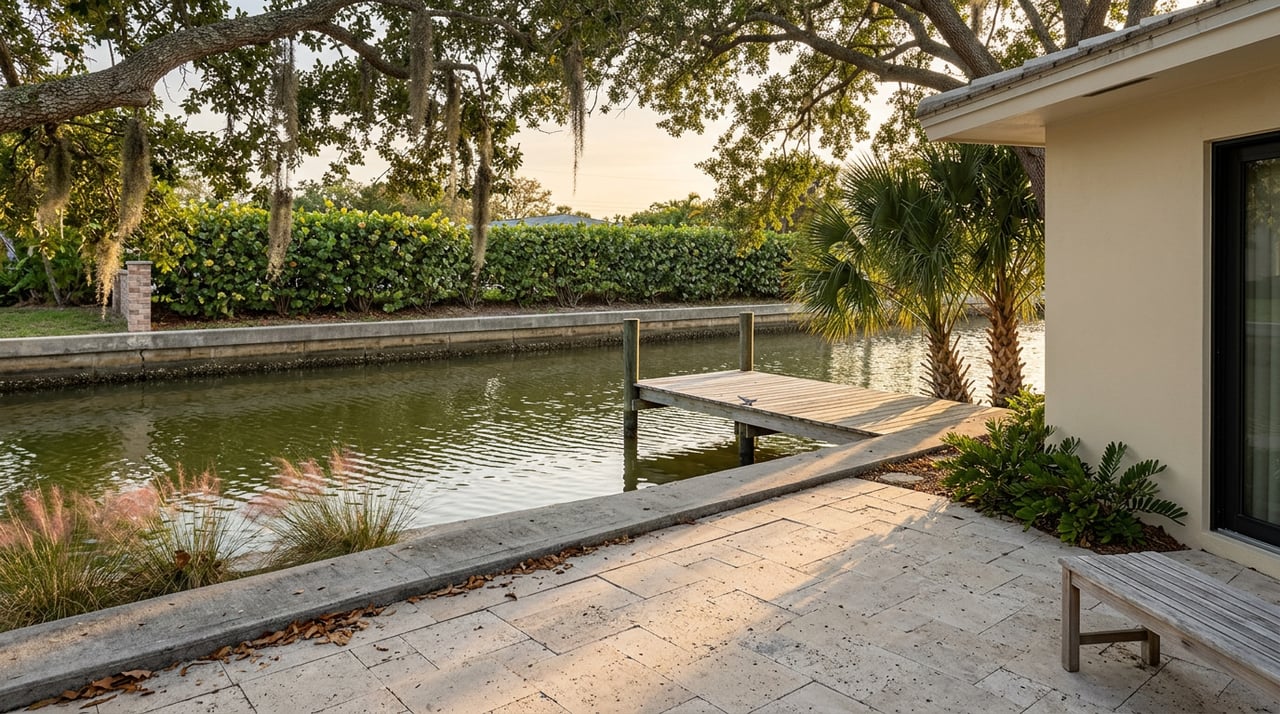
Boating is part of the culture across Tampa Bay. On the barrier island, space is limited, so slip availability and costs can vary. Many owners use mainland marinas or trailer to local ramps to reach the Gulf and intracoastal waters. Charter fishing and paddle‑sport rentals are widely available if you prefer a low‑maintenance approach.
Beyond the beach
Look for bike‑friendly routes and neighborhood parks across the island. Regional preserves and destinations on the mainland, including Fort De Soto Park, add hiking, birding, and water‑access options within a reasonable drive.
Seasonality and crowd patterns
Winter and early spring bring the highest seasonal population and most visitors. You can expect livelier restaurants and busier beaches, especially on holidays and sunny weekends. Summer is hotter and more humid with frequent afternoon thunderstorms, and non‑holiday weeks tend to be quieter. Noise levels vary block by block. Near commercial corridors and large hotels, expect more activity; in residential pockets and Pass‑a‑Grille, evenings often feel calmer.
Day‑in‑the‑life snapshots
Full‑time retiree
You might start with a sunrise walk, run errands along Corey Avenue, and plan afternoons around the heat. Social time often centers on dinner with friends and nightly sunset watching. Doctor visits and specialist care are a quick mainland drive.
Seasonal or second‑home owner
You will lock and leave with relative ease, especially in a condo. When in town, you split time between the beach, paddleboarding, and trying new restaurants. During peak season, you plan grocery runs and parking with a little more patience.
Hospitality professional or local family
Your schedule follows service hours or school runs. Mornings and evenings are prime for beach time, while weekends revolve around kid‑friendly parks or fishing. Mainland commutes are simple most days, with extra buffer on holiday weekends.
Buyer checklist for St. Pete Beach
- Confirm FEMA flood zone, elevation, and any prior storm impacts for the property or building.
- Secure early quotes for homeowners, windstorm, and flood insurance based on specific unit or home details.
- Review HOA or condo bylaws, rental policies, rules, reserves, meeting minutes, and any special assessments.
- Ask for recent inspection reports, reserve studies, and plans for structural or wind‑mitigation projects.
- Evaluate walkability to groceries and medical services, plus ease of mainland access for bigger errands.
- Check parking availability, guest policies, and any permit requirements for your street or building.
- If boating matters, verify slip access, waitlists, ramp options, and storage rules.
- For long‑term comfort, consider single‑level living, elevator reliability, and accessibility features.
Is St. Pete Beach right for you?
If you love a beach‑forward routine, sunset culture, and a slower coastal pace, St. Pete Beach delivers. The tradeoff is higher carrying costs, storm preparedness, and seasonal congestion in certain zones. With clear priorities and the right due diligence, you can match your lifestyle to the ideal street, building, or micro‑neighborhood. Ready to compare condo fees, insurance quotes, and rental policies so you can move forward with confidence? Connect with the team that lives and works across Greater Tampa Bay and knows this coastline well.
If you are exploring a move or a second home in St. Pete Beach, talk with the local team that combines boutique service with data‑driven guidance. Reach out to Austin Marks to discuss your goals or get your free home valuation.
FAQs
How crowded are St. Pete Beach beaches and nightlife in peak season?
- Winter and early spring bring more visitors and seasonal residents, so beaches, restaurants, and parking are busier, especially on weekends and holidays.
Do I need flood insurance for a St. Pete Beach home or condo?
- Many properties sit in FEMA flood zones, and lenders often require flood policies, so obtain quotes using elevation and building mitigation details early in your process.
Are condo associations in St. Pete Beach friendly to short‑term rentals?
- Policies vary by building and city rules; some allow short‑term rentals while others prioritize longer‑term residents, so verify current regulations and HOA bylaws.
What is the commute like to downtown St. Petersburg or Tampa from St. Pete Beach?
- You will drive across causeways to the mainland; travel times depend on traffic and season, with slower periods around holidays and peak visitor hours.
How easy is it to keep a boat in St. Pete Beach?
- Slip supply is limited on the island and costs vary; many residents use mainland marinas or trailer to local ramps for easy intracoastal and Gulf access.
Do businesses close during the off‑season in St. Pete Beach?
- Some restaurants and shops adjust hours in summer, but many operate year‑round; expect a quieter rhythm outside winter and spring peaks.
Will I need a car to live in St. Pete Beach?
- You can walk or bike for many island errands, but most residents use a car for larger shopping trips, healthcare visits, and airport travel.