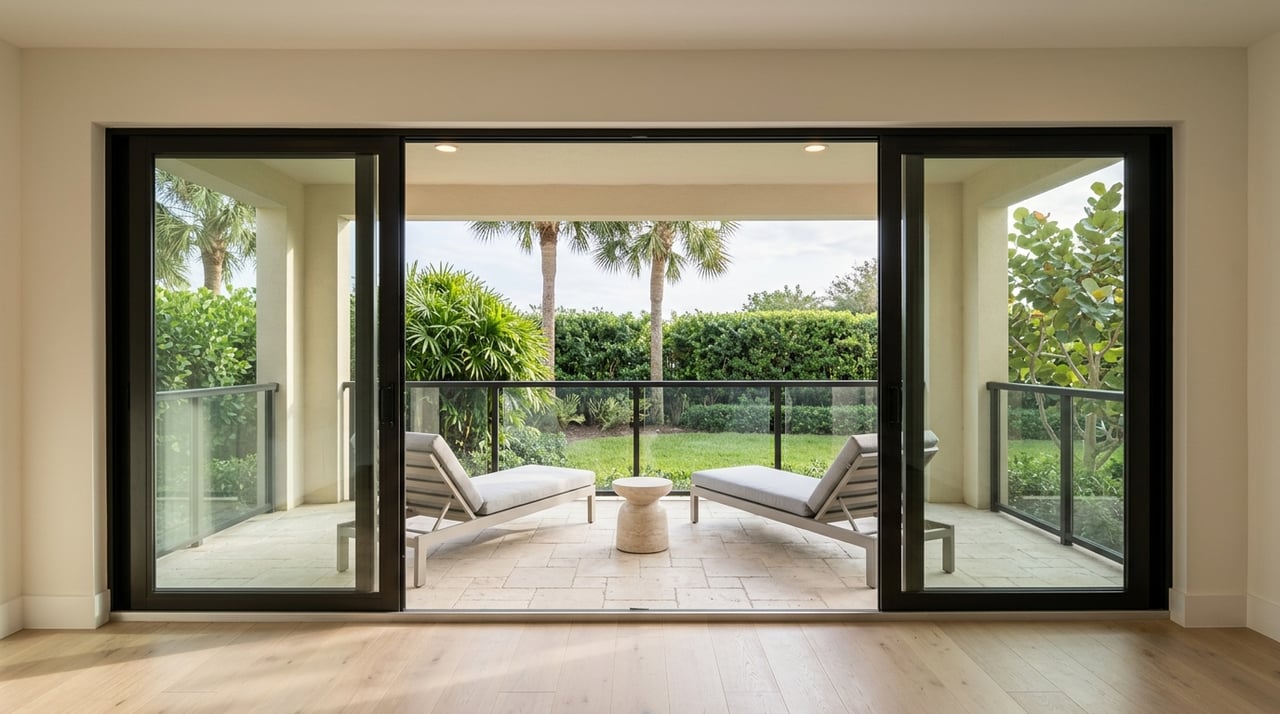
Dreaming about a place where you can step out for beach time, enjoy it part of the year, and possibly offset costs with rentals? In Indian Shores, that idea can be very appealing, but the numbers and rules matter just as much as the view. If you are thinking about buying a vacation home here, this guide will help you understand the local market, financing basics, flood and insurance costs, and the condo details that can shape your long-term success. Let’s dive in.
Why Indian Shores Appeals to Vacation-Home Buyers
Indian Shores is a small coastal town in Pinellas County with a housing mix that leans heavily toward condos and townhomes. Recent market snapshots showed median pricing around $675,000 for sale prices and about $719,000 for listing prices, with far more condos on the market than single-family homes. That matters because your search, budget, and due diligence process will often look different here than in a neighborhood dominated by detached homes.
This is also a tourism-influenced market, which can affect both lifestyle and rental planning. County hotel occupancy has been much stronger in winter and spring than in late fall, which suggests demand can change a lot by season. If you plan to use the home personally and rent it at other times, you will want to evaluate the property over a full year, not just around peak-season weekends.
Start With Your Real Goal
Before you look at listings, get clear on how you want to use the property. Some buyers want a true second home they can enjoy regularly, while others care more about rental income and occasional personal use. In Indian Shores, that choice can affect financing, taxes, insurance planning, and even which buildings make sense.
Ask yourself a few practical questions:
- Will you use the home during peak travel months?
- Do you want a low-maintenance condo or more privacy in a single-family home?
- Are you counting on rental income to help cover costs?
- Do you want flexibility, or are you comfortable with HOA and condo rules?
Your answers will help narrow the search quickly and keep you from chasing properties that do not fit your plan.
Know What the Local Inventory Looks Like
In Indian Shores, condos make up the largest share of available inventory, followed by a smaller number of townhomes and very few multi-family options. Single-family homes are available, but they are a smaller part of the market. For many buyers, that means the real decision is not just where to buy, but which type of ownership fits best.
A condo can offer easier maintenance and a more lock-and-leave lifestyle, which is attractive for seasonal owners. At the same time, condo ownership often comes with association budgets, dues, insurance layers, reserve funding, and rental rules that need close review. A single-family home may offer more control, but it can also come with more direct responsibility for upkeep and flood-related planning.
Budget Beyond the Purchase Price
The purchase price is only part of the story with a vacation home in Indian Shores. Your recurring costs will likely include property taxes, HOA or condo dues, insurance, utilities, maintenance, and reserves for future repairs. In a coastal market, carrying costs can be the difference between a property that feels manageable and one that becomes stressful.
Indian Shores notes a current town tax rate of 1.87 mills, but taxable value is set by the Pinellas County Property Appraiser, and the town controls only its own portion of the levy. It is also important to remember that a vacation home generally does not qualify for homestead exemption because that benefit is tied to a permanent primary residence.
Here are some costs to price early:
- Property taxes
- HOA or condo association dues
- Homeowners insurance
- Flood insurance
- Utilities
- Routine maintenance
- Reserve funds for repairs or assessments
- Property management, if you plan to rent
Flood Insurance Is a Core Part of the Math
Indian Shores identifies the town as a special flood hazard area and evacuation level A. That means flood risk should be part of your planning from the start, not something you look at after you are under contract. In this market, flood insurance is a central budget item.
Flood coverage is typically separate from homeowners insurance, and standard homeowners policies usually do not cover flood damage. If you are using a government-backed mortgage in a high-risk flood area, flood insurance is generally required. NFIP policies also usually have a 30-day waiting period, which is another reason to discuss coverage early.
For buyers comparing properties, this is one of the most important steps in the process. Two homes at similar price points can carry very different insurance costs depending on the building, elevation, claims history, and other risk factors.
Understand Second-Home Financing Rules
If you want to finance the property as a true second home, the use of the property matters. Fannie Mae says a second home must generally be a one-unit dwelling, suitable for year-round occupancy, occupied by the borrower for part of the year, under the borrower’s exclusive control, and not a rental property or timeshare. That framework can be especially important in a beach market where some properties are marketed with rental potential.
There is some nuance here. Rental income may exist without automatically disqualifying second-home treatment if it is not used to qualify for the loan and the property still meets second-home requirements. But if the property functions mostly as a rental, investment-property underwriting is more likely.
This is one reason your financing conversation should happen before you fall in love with a property. A condo with a hotel-style setup or restrictive management structure may not align with second-home financing even if the location is perfect.
Plan for Closing Costs and Cash Reserves
Closing costs typically run about 2% to 5% of the purchase price, separate from your down payment. Your down payment also affects mortgage insurance and loan pricing, so the amount of cash you bring to closing can shape your monthly costs. For a coastal purchase, you should also plan for inspection costs, appraisal fees, insurance quotes, and reserve funds.
A simple pre-offer checklist can help:
- Confirm your budget range and intended use
- Review likely down payment options
- Estimate closing costs
- Price flood and homeowners insurance early
- Leave room for inspections and reserves
- Factor in HOA dues or special assessments
That kind of disciplined planning helps you evaluate each property more accurately and avoid surprises late in the process.
Rentals: Town Rules Are Only One Piece
Indian Shores says the town itself does not have rental restrictions. That may sound straightforward, but it does not mean every property offers the same rental flexibility. In many cases, the practical rules come from the condo declaration, HOA bylaws, or a management agreement tied to the property.
This distinction is critical. A property can sit in a town without local rental restrictions and still have meaningful limitations at the building or association level. If your goal includes short-term rentals, you need to review those documents carefully before moving forward.
Short-Term Rental Taxes Matter
If you plan to collect rent on living quarters for six months or less in Pinellas County, you may need to register for a tourist development tax account, collect and remit the tax, and maintain records. The county tourist development tax is 6%. In addition, Florida transient rentals also face the 6% state sales tax plus the Pinellas County discretionary surtax of 1%.
In practical terms, the public tax load on short-term rentals can reach about 13% before cleaning fees or management costs, depending on exemptions and taxable-charge rules. The county also notes that if a platform or agent is expected to collect the tax but fails to do so, the owner remains liable. If rental income is part of your plan, this is an area where good recordkeeping and upfront planning really matter.
Condo Due Diligence Deserves Extra Attention
Because Indian Shores has so much condo inventory, condo review is a major part of buying wisely here. A beautiful unit with strong views can still come with budget issues, deferred maintenance, or rules that do not fit your goals. You will want to look beyond finishes and focus on the health of the association.
Key items to review include:
- Association budget
- Reserve funding
- Insurance certificates
- Rental rules
- Pending or recent special assessments
- Any management agreements tied to the property
Florida also requires milestone inspections for certain condominium and cooperative buildings that are three stories or more at 30 years, and every 10 years after that. Residential condos covered by the statute must also complete structural integrity reserve studies at least every 10 years. Those requirements make document review even more important when you are comparing buildings.
Look Closely at Damage and Improvement Risk
Flood risk in Indian Shores is not only about insurance premiums. The town also warns that if a building in a mapped flood hazard area is substantially damaged or substantially improved, it may need to be brought back into compliance with floodplain and building-code standards. In some cases, that can include elevation-related work.
For you as a buyer, that means past repairs, future renovation plans, and the building’s compliance posture all deserve attention. This is especially relevant if you are considering an older property, a fixer-upper, or a condo building with known repair work on the horizon.
A Smart Buying Approach in Indian Shores
A successful vacation-home purchase in Indian Shores usually comes down to balancing lifestyle goals with clear-eyed due diligence. The best property for you may not be the one with the highest projected rental appeal or the flashiest finishes. It is usually the one that fits your intended use, financing path, insurance budget, and comfort level with condo rules and coastal risk.
That is where local guidance becomes valuable. When you understand the property type, flood exposure, rental setup, and total carrying costs before you make an offer, you can move with more confidence and fewer surprises.
If you are exploring vacation-home options in Indian Shores and want a clear, data-informed strategy, Austin Marks can help you evaluate the market, compare properties, and make a smart move with confidence.
FAQs
What kind of vacation homes are most common in Indian Shores?
- Condos are the most common type of inventory in Indian Shores, with townhomes also available and single-family homes making up a smaller share of the market.
Does a vacation home in Indian Shores qualify for homestead exemption?
- Usually no. In Pinellas County, homestead exemption generally applies only to your permanent primary residence.
Is flood insurance important when buying in Indian Shores?
- Yes. Indian Shores is identified as a special flood hazard area, and flood insurance should be treated as a core part of your budget because it is typically separate from homeowners insurance.
Can you rent out a vacation home in Indian Shores?
- Possibly, but you need to check more than town rules. Indian Shores says the town has no rental restrictions, but condo documents, HOA bylaws, or management agreements may still limit rentals.
What taxes apply to short-term rentals in Pinellas County?
- For rentals of six months or less, owners may need to collect and remit a 6% tourist development tax, plus a 6% state sales tax and a 1% county discretionary surtax, depending on the rental and applicable rules.
What condo documents should buyers review in Indian Shores?
- Buyers should review the condo budget, reserve funding, insurance certificates, rental rules, and any pending special assessments before purchasing.
Can a property still qualify as a second home if you rent it sometimes?
- It may, if the property still meets second-home requirements, remains under your control, and rental income is not used to qualify for the loan.